

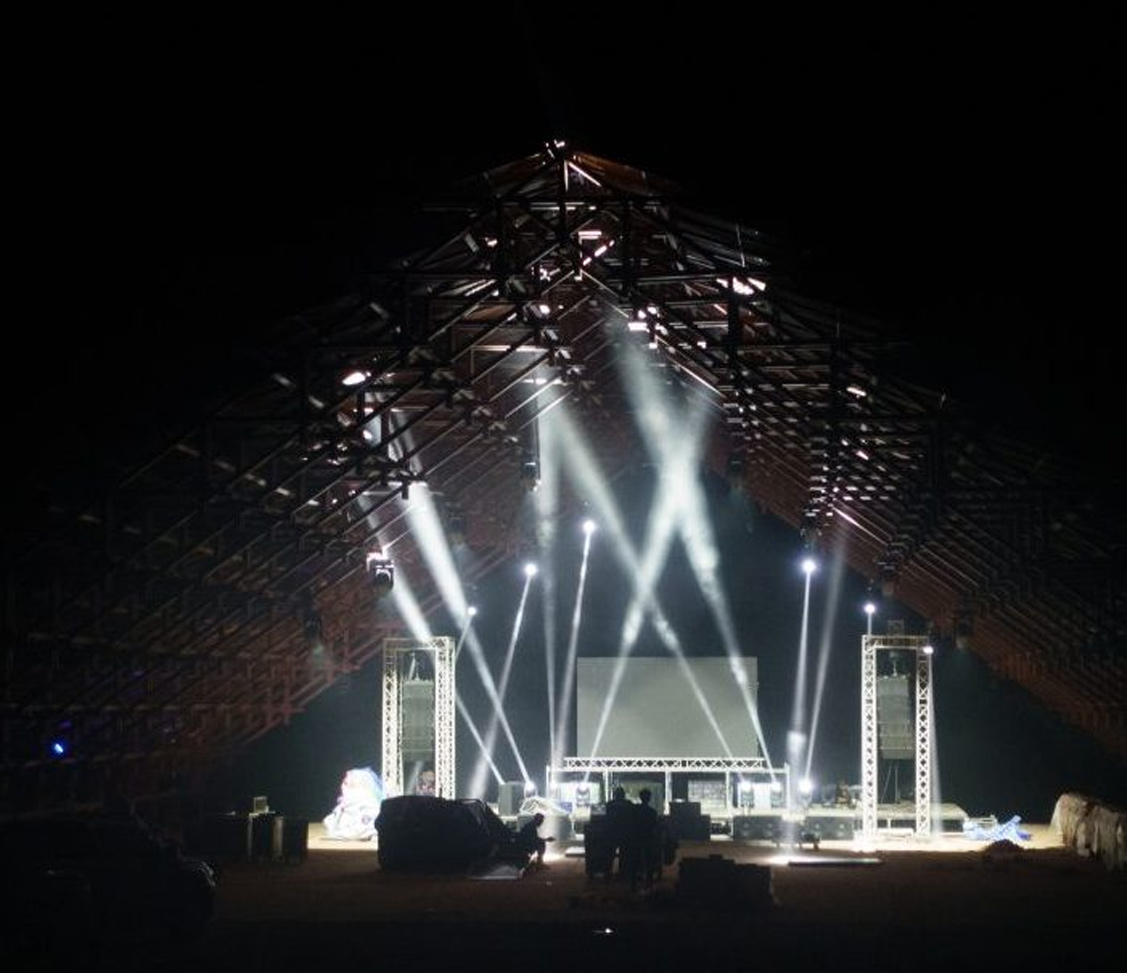
Stage Lighting (Stage Lighting) | Like sound consisting of frequencies that we can perceive by the ear While “Light” is only a high-frequency wavelength. that we can interpret and perceived by the eyes The light that humans can perceive is part of the electromagnetic spectrum. That is in the range of wavelengths from 400 to 700 nm is called “visible light” (Visible Light). Stage lighting, we can see that in the sound industry. Various concerts, in addition to a good sound system, good lighting and color systems. It is also an indispensable thing. Stage lighting or Stage Lighting does not only have the function of brightening the stage. But it is also a creative function. to convey the mood to the performance in terms of art as well So in this article.. Let’s talk about Things to know!! About “Stage Lighting” (Stage Lighting) to understand the purpose of lighting equipment. and help increase the efficiency of performing on stage
Purpose of stage lighting Not limited to one purpose only, mainly the purposes of stage lights are as follows.
shine on stage
The most basic purpose for lighting is to illuminate the actors, sets, and props. so that viewers can see everything that they clearly want to see on stage If the lighting is insufficient, it may cause performance. And the quality of the production can be compromised. In addition, lighting and color are also important for those performing on stage in terms of safety. in order to reduce the chance of causing an accident on stage Be it actors, dancers and musicians.
focus on different areas
Lighting can also help set the direction for the audience that Where should the focus be on the stage, for example if the guitarist is performing a solo at the front of the stage? or at the time when the ceremonies are giving lectures Most areas of the stage may be dark. with only a few spotlights focused on that location. To direct the audience’s attention to a specific area of those in the foreground.
creating atmosphere
Lighting can also help you create a desirable look to the atmosphere, for example, creating a optical illusion. Using moving lights to make it look like the sun is rising or darkening the stage when a performer presses a light switch, for example.
convey emotions to the performance
Most importantly.. Lighting also has a great effect on the mood as well. The principle is to match the light with the mood of the content. or situation on stage to evoke the right emotions in the audience This could mean softer lighting. and warm for happy scenes in the drama For example, cool colors are often associated with sadness, and warm colors are associated with intense feelings.
Types of stage lights
Stage lights are commonly used as stage elements. There are many types. Each of which is designed for a specific purpose. Therefore, on any stage, there will not be only one type of light. In this topic, I have compiled the types of stage lights that are commonly found as follows.
Ellipsoidal
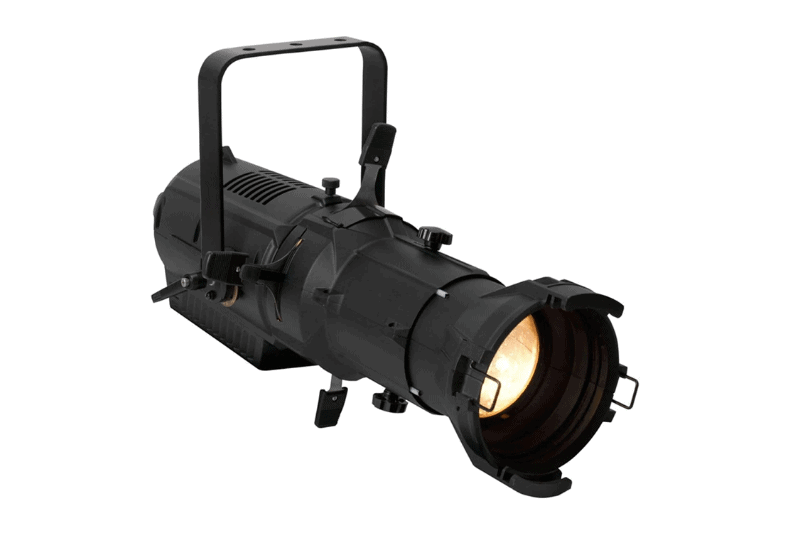
Ellipsoidal Stage Lights or “Reflector Spotlights” provide a concentrated, clear beam of light. They are commonly used as front stage lighting. It is a light that can adjust the focus of the light to be soft. or to be more sharp It can also adjust the shape of the light. To prevent light from passing through to the area that still needs to be dark. It can also be built with color.
Followspot
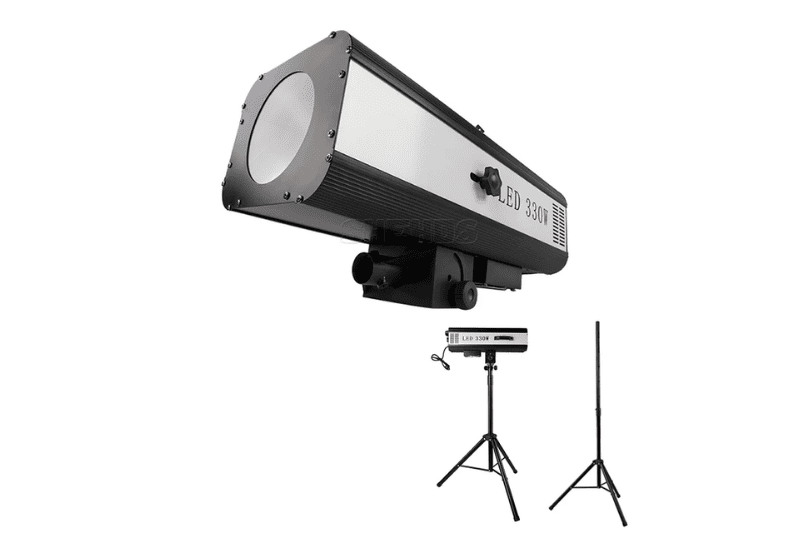
Followspot is a type of spotlight. Serves as the focus for the actors. or musicians moving across different areas of the stage. These types of lights need to be responsive. to those performing at the front of the stage in real time, so Followspot lights are manually controlled lights. It can also be resized. light intensity level And easily adjust the color with the built-in panel
Fresnel
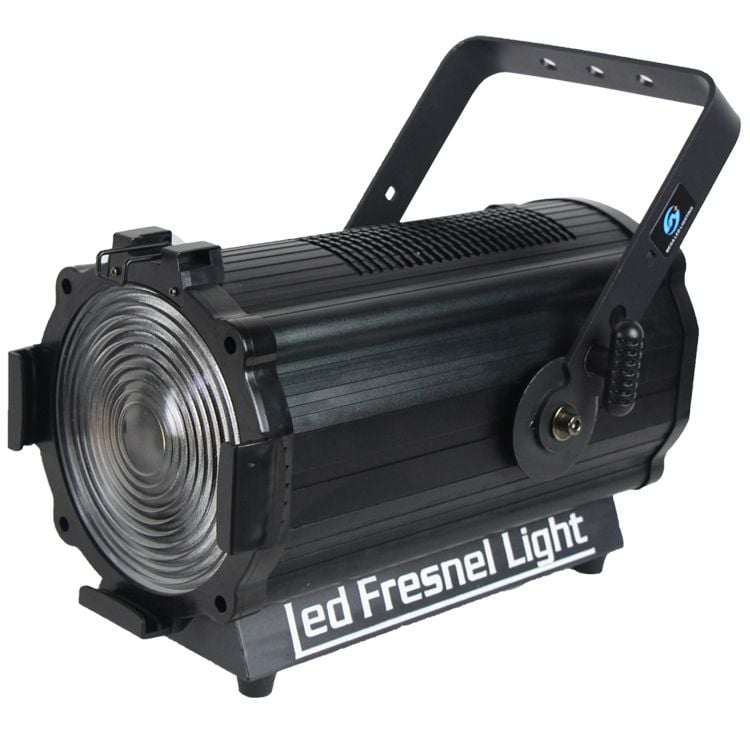
Fresnel, also known as “wash lights,” are lights named after their inventor, Augustin Fresnel. and the light will be brightest at the center of the ring But there will be fade at the edges. It is a type of light that provides focusing spot light. and adjustable beam
Par
PAR, short for “Parabolic Aluminized Reflector,” is the main component in stage lighting. PAR lights are beam lamps sealed in cylindrical metal. These lights are similar to car headlights and have a simple design. You can use PAR lights to create a horizontal beam of light. or vertical As a standard, gels can often be used. or color filters to create colors for the lights but cannot change the shape of the beam
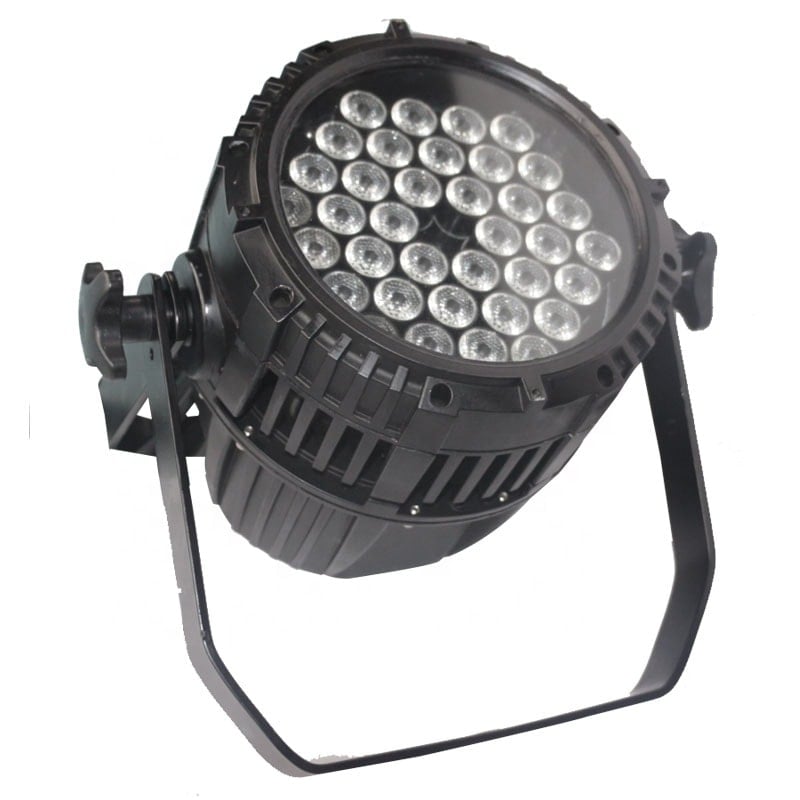
Floodlight
It is a lamp that uses LED chips to illuminate. Provides a wider light distribution angle than conventional lamps, which many people may confuse with spotlights. with similar faces, so many people misunderstand The difference between a floodlight and a spotlight is that a spotlight produces a specific light. The light distribution angle is not as wide as the Floodlight, so the beam of the spotlight It will be a direct light to focus on a certain point.
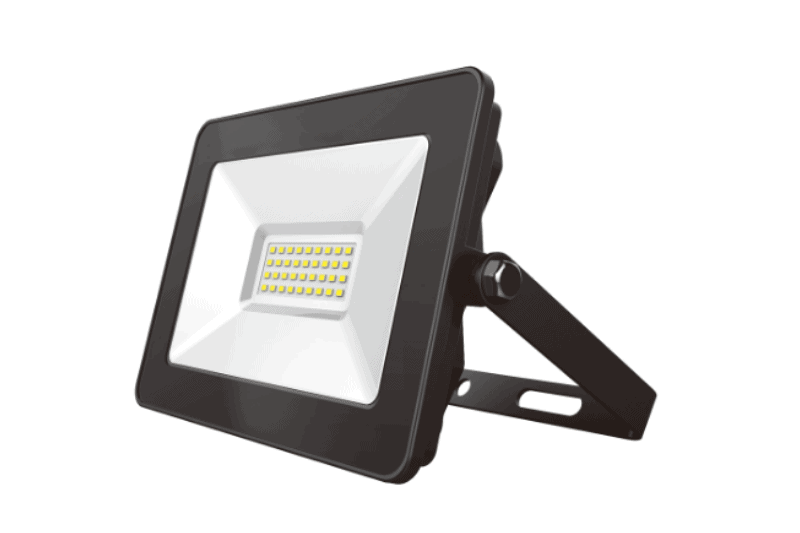
Cyclorama
Cyclorama stage lights, or “Cyc” for short, are most often found on stages for theatrical performances. It is a light for illuminating the backdrop or backdrop. This type of lighting will provide the characteristics of uniform light distribution. and has a wide light distribution angle, which this type of Lighting can be placed on the floor or hang it near the background in order to effectively cover the background
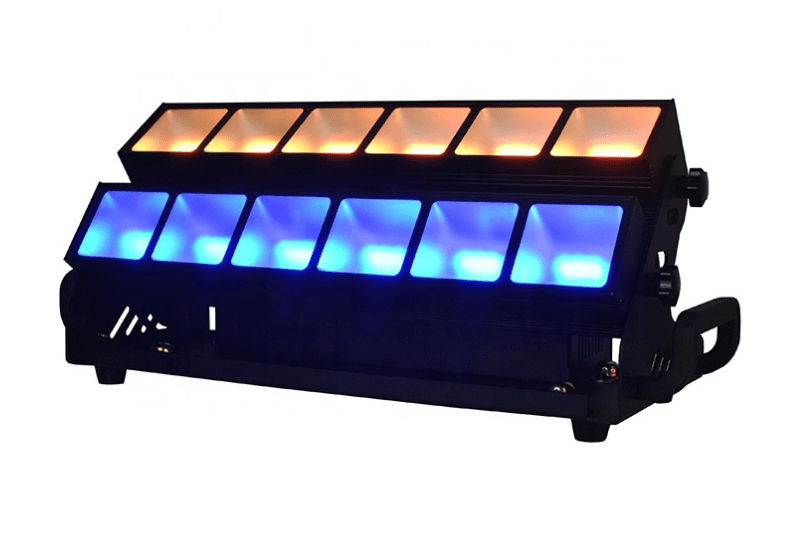
Strip Light
Strip lights are a little similar to Cyc lights. where it consists of many lamps They are arranged in horizontal rows, but strip lights have more light coverage than Cyc lights. They are what many lighting designers use to add massive color coverage to the stage.
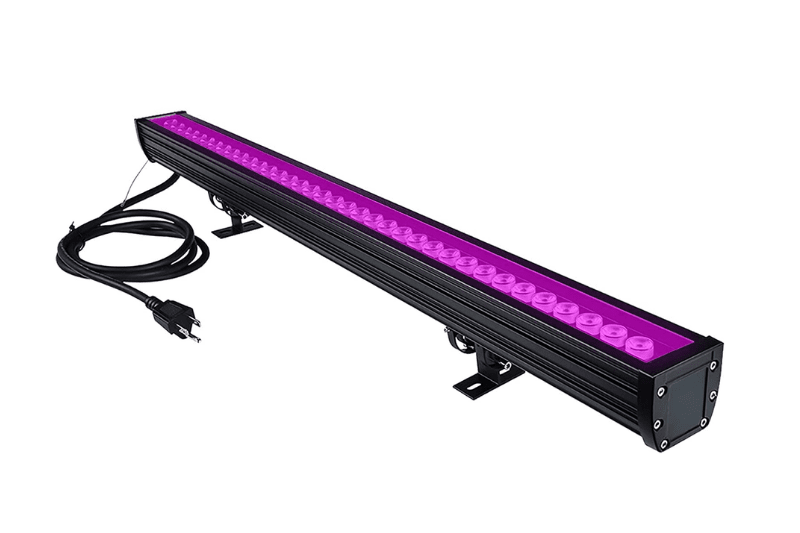
stage lighting position
One basic principle of stage lighting that must be understood is “Lighting position”, which is the position of lighting on the stage that the Lighting Designer takes into account in designing. are as follows
Front Light
Front Light It is the main key position for stage lighting. because it is a position that gives light to the performer Or those who describe on stage, whether singers, musicians, actors and hosts, etc., allowing the audience to see and clearly understand the elements and the content of the performance on stage
Back Light
The position of the back light is the position that makes the stage And the elements on the stage have more dimensions, with the back light at the back of the stage or behind the performer The back light can be positioned at various points with the PAR lights vertically because the PAR lights can be installed well in specific back light positions and can change the color. and the intensity of the light
Down Light
Another way to add dimensions to the stage. is to use downlights which is a position placed on the stage floor and shine a light above the stage ceiling which the downlight may have different intensity of light
Side/High Side Light
Side Light is a light positioned on the side of the stage. To illuminate from one side to performers, musicians and hosts, the High Side section is also positioned to the side. only to be placed in a higher position It is a position that shines a light on the head. and the shoulders of those on stage The placement of lights in these positions It is important for the audience to clearly see the faces of those on stage.
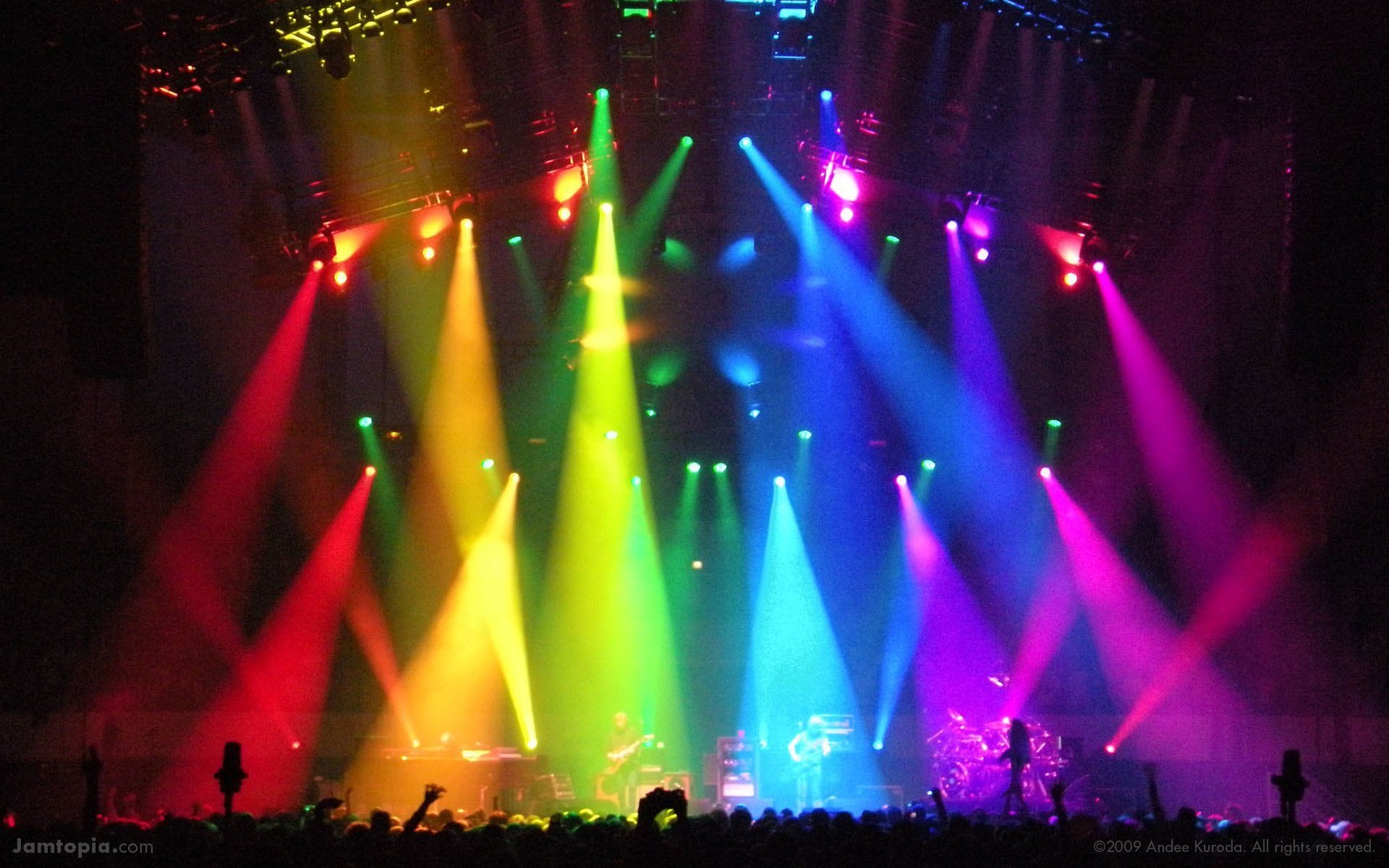
Techniques for using light colors
about the color of the light It is the part that has a great influence on creating the atmosphere of the stage. And convey different emotions to the audience by the main techniques in using the color of the light are as follows
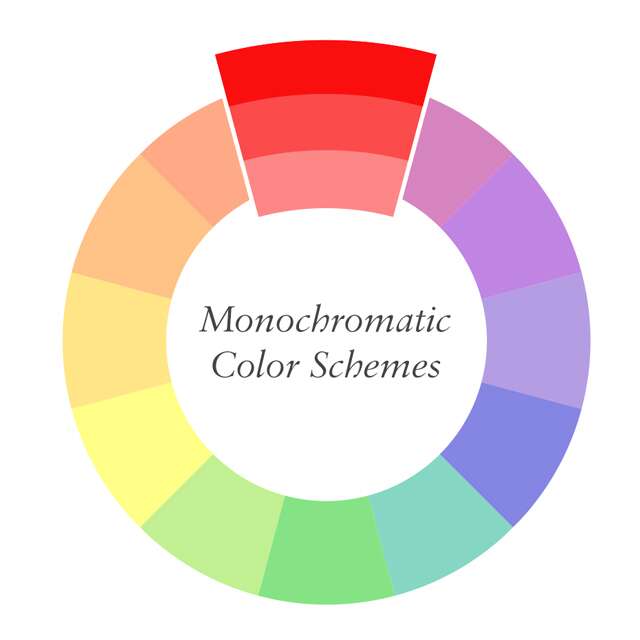
Monochromatic
It is a technique for choosing different colors that are in the same shade according to the Color Wheel, also known as “monochrome color”, which is a good option if you want to organize the lighting to be simple. or focus on one color
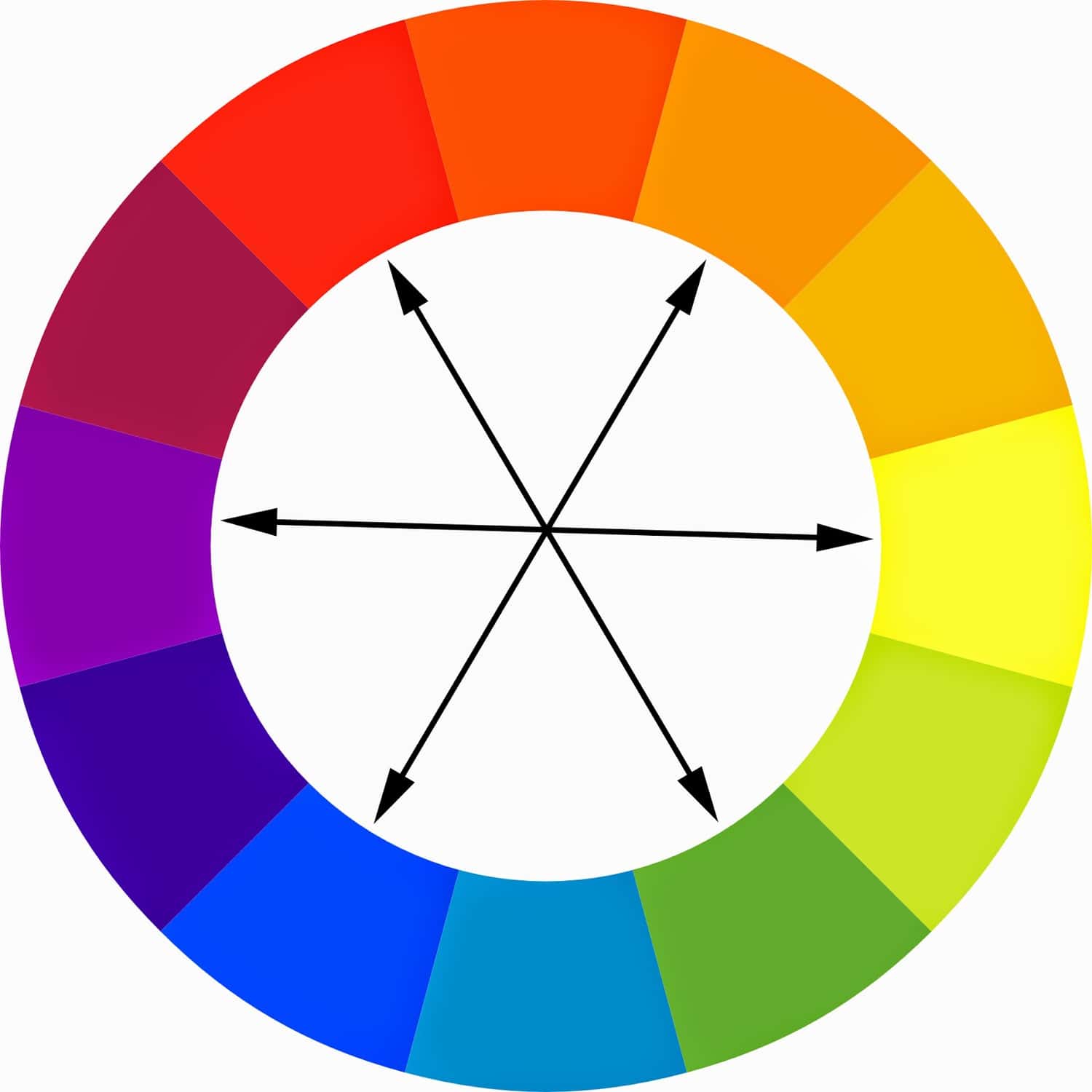
Complementary
This technique is a technique that uses opposite colors according to the Color Wheel or severely contrasting colors. to reduce the freshness of each color May be used as a contrasting method, such as using the first color as the main color. It is a color that has more space. And use the second color (opposite color) which takes up less color space to cut. Or it can be used as a way to combine the two colors together, for example, red and green, purple and yellow, blue and orange, etc.
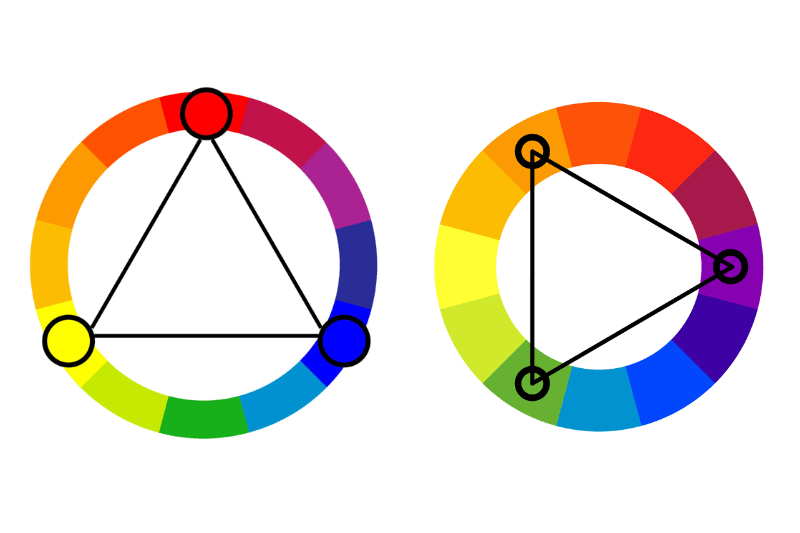
Triads
The Triads Color technique is the use of 3 pairs of colors that are opposite color pairs along the Color Wheel that is separated to the left. and right in a triangular shape, for example, red/yellow/blue or green/orange/purple, etc., to add variety to the tone of the stage itself.
Adjacent (Analogue)
It is a technique that uses colors that are adjacent to each other on the left and right according to the Color Wheel to be similar colors. to create harmony And reduce color conflicts, for example, red/orange red/orange or yellow-orange/yellow/green-yellow etc.
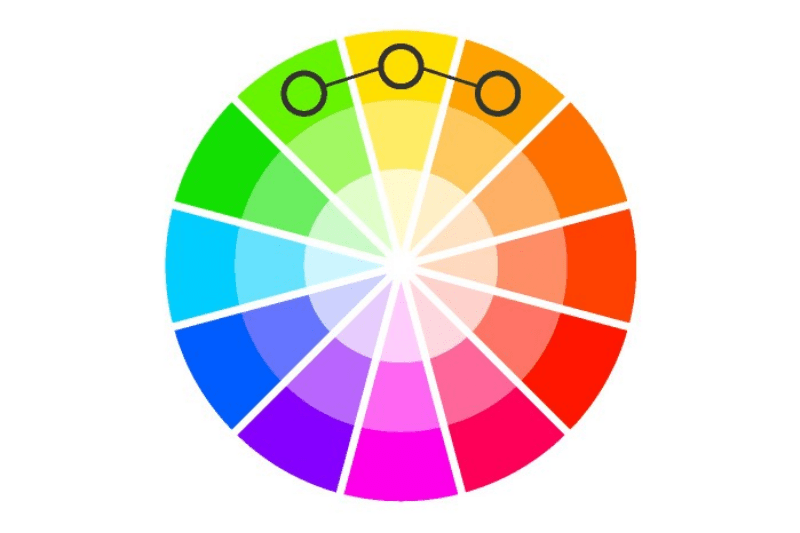
Cool/Warm
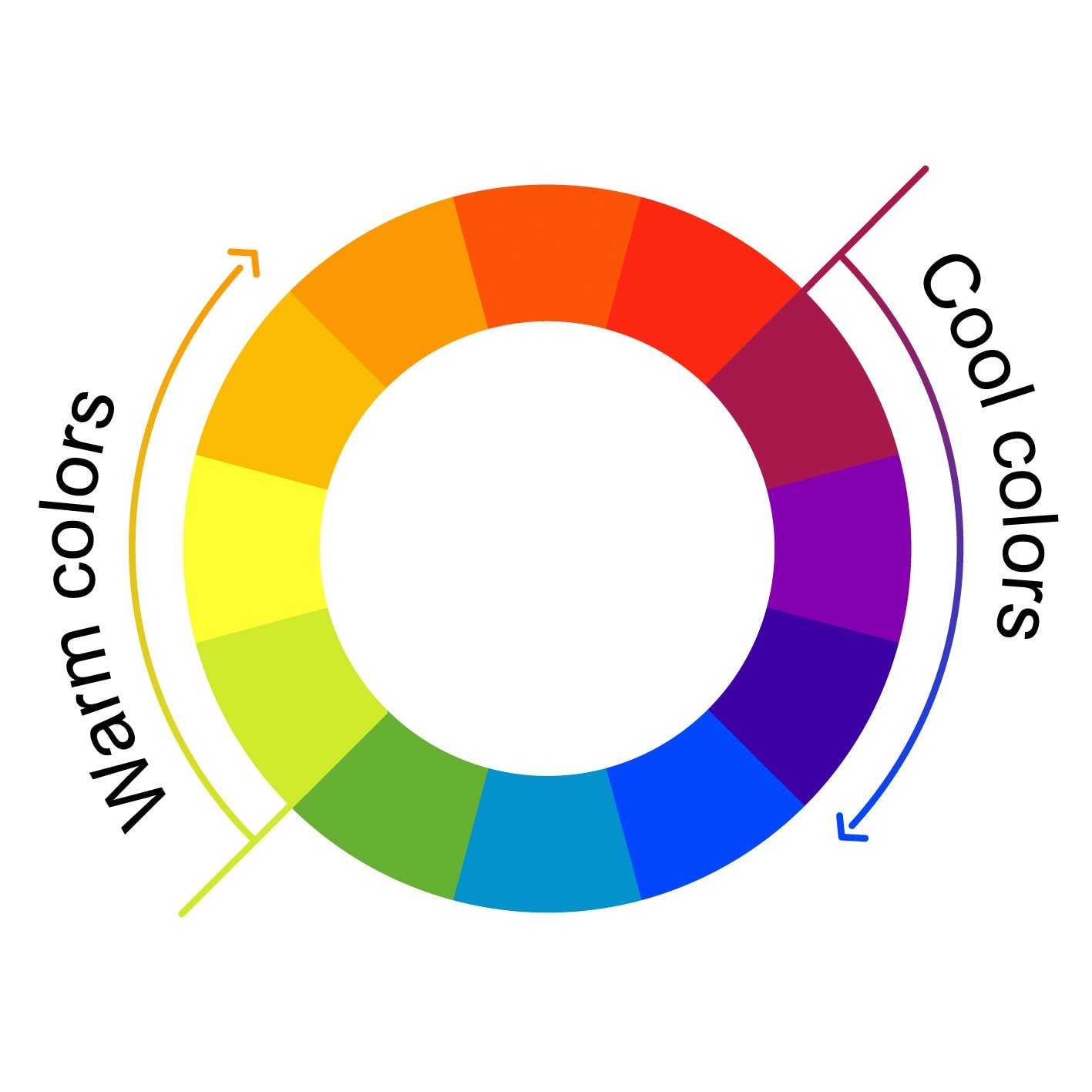
It is a technique related to color temperature. And is a technique that can create an atmosphere as well Cool Color or cold tones, consisting of 3 main shades, that is, green, blue and purple, are tones that give a feeling of politeness, peace, mystery, coolness. Relationship with feelings of depression and sadness in terms of Warm Color or warm tone. Some people call it warm colors, consisting of 3 main shades as well, which are red, orange and yellow. These colors are exciting, energetic, warm, fun and attract attention.
More tips
The color of the lighting on stage is something that can convey and evoke some emotions or affect the overall feeling of the scene and show But that’s not all. because in addition The color scheme is also symbolic. connection to the main theme of the show and the stage as well
vocabulary ! What you should know about lighting
Wash
Wash, which means “wash” in Thai, is a term used to refer to a wide beam of light. It covers the entire stage regularly.
Intensity
Intensity or “intensity” is a term lighting designers use to describe the level of brightness of stage lighting.
Diffusion
Diffusion in Thai means “dispersion” means that light reflects or affecting the medium with uneven surfaces and diffuse reflection direction or conducting light without depending on the scene make reflected objects bright

Add a Comment