

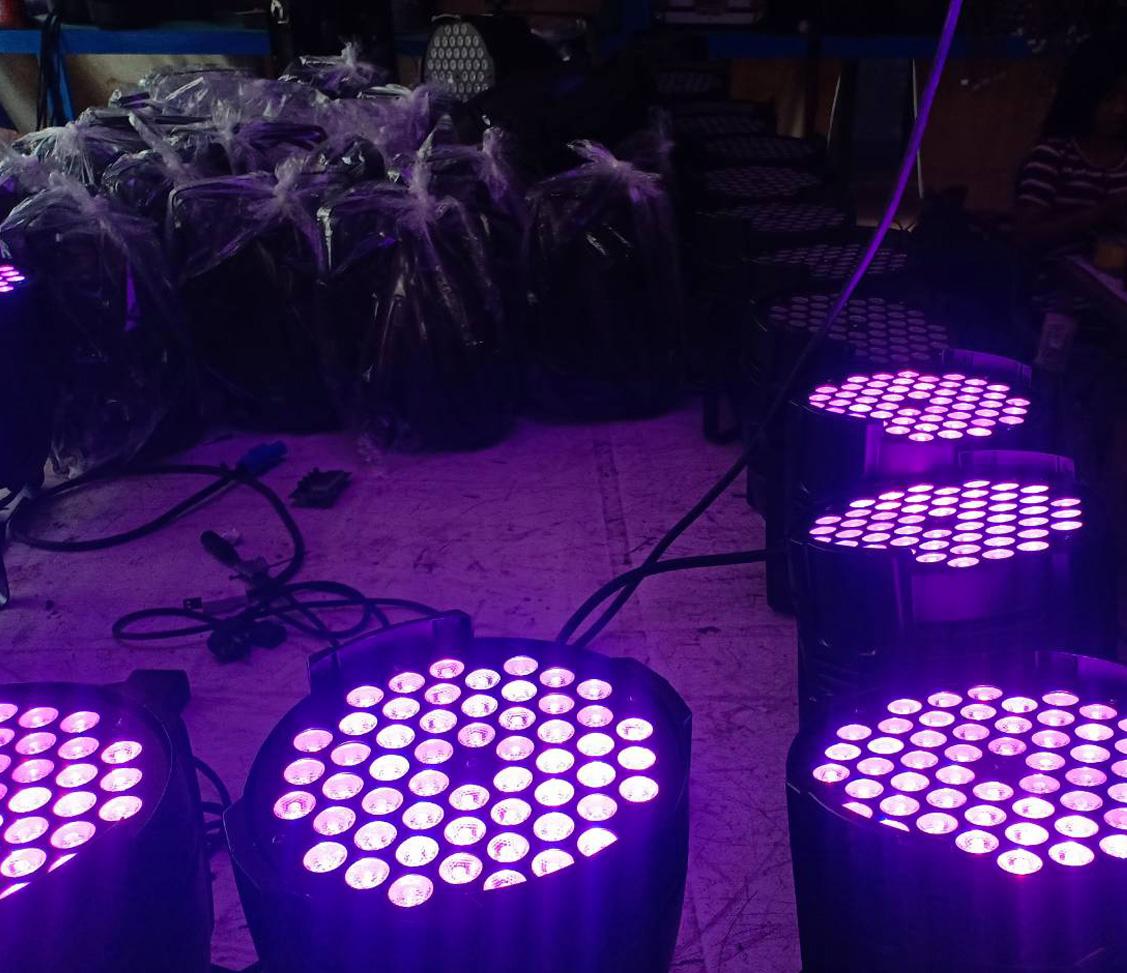
LED Lighting in the stage lighting system
LED, short for “Light Emitting Diode,” was invented in the 1960s when it was initially a light that only produced a small amount of light. But nowadays, there is almost no stage that does not have LED lights as a component of the lighting system. Usually.. Almost all types of spotlights have several “diodes.” Just like regular light bulbs, LEDs have a positive and negative terminal when the diode is connected to power. The electron travels from one pole. to another pole and the energy that comes out of this process will be emitted in the form of light (Photon)
Continuing from the previous article Things to know!! About “Stage Lighting” (Stage Lighting), so this article We will continue to expand. In regards to stage lighting, it is the “LED lights” used in stage lighting systems. to get to know and understand at the same time
Types of LED lights in stage lighting systems
Warm white / Cool white
warm white bulb It has a color temperature range of approximately 2700 to 3000 Kelvin. Inside a white LED there is actually a blue LED which is usually layered with a phosphor. As a result, the light that comes out is a soft white light, so it is called a Warm white light bulb, giving a soft, warm light that does not give much brightness. Help create a warm, romantic atmosphere, help you feel relaxed. It is also the light that is most comfortable on the eyes.
cool white bulb It has an approximate color temperature range of 4,000 to 4,200 Kelvin, producing bright, cool white light that is easy on the eyes. and also gives a feeling of vitality It also helps to see the surroundings clearly. compared to warm white bulbs
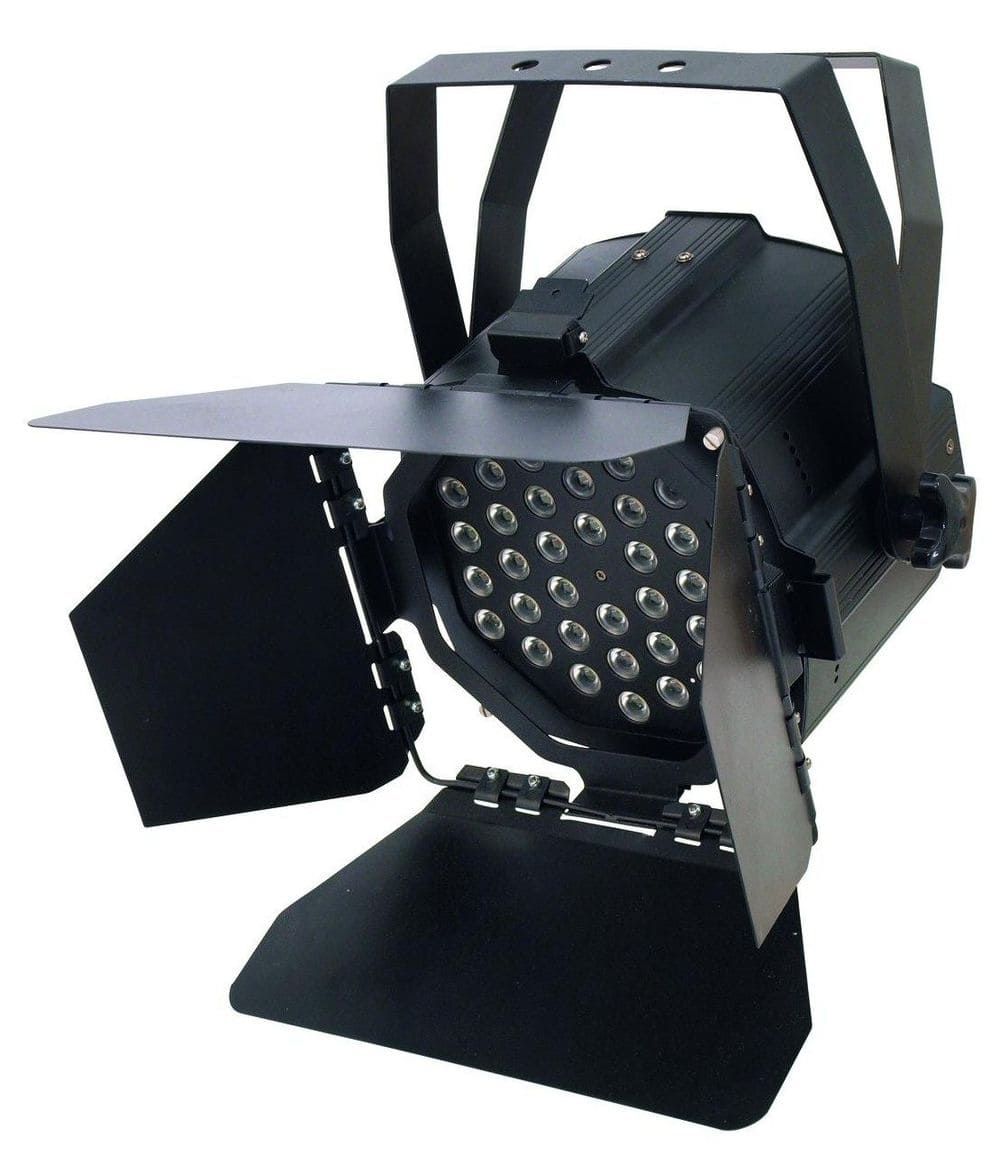
Eurolite LED Theater 36x 3W
Picture courtesy of Thomann.
In principle, warm white and cool white LED bulbs cannot change the light to any other color. But there will be a variety of shades of white to choose from. from soft white that provides a maximum color temperature of 3,400 Kelvin, natural white at 5,000 Kelvin, and up to daylight white. Color temperature up to 6,800 Kelvin, which is often seen in both Fresnel Tungsten Spotlight and Daylight LED Spotlight, which has good coverage of the white spectrum.
Single- Color
You can find these diodes in regular spotlights, which are the type of LED stage lights that can’t change color. Or no other colors mixed at all, for example, red is red at all. Unlike RGB-LED PARs, multiple LEDs of red, green and blue allow you to achieve the desired color mix. For this reason When an object is exposed to RGB light, it creates multi-colored shadows. The farther apart the diodes are and the closer the object is The larger the shadow, the larger the color will be.
RGB/RGBW and RGBA
RGB lights here refer to LED lamps that consist of red (Red), green (Green) and blue (Blue), which are RGB primary color systems that can cause mixing of light colors in the case of RGBW lights . is an RGB light that can change to warm white with remote controller Or have a warm white color as a component in that lamp as well And in terms of lights, RGBA , or short for Red Green Blue Alpha, is an LED light that can adjust the transparency. and opacity of light It uses color component values that range from 0 (clear) to 255 (opaque), and can also be used as percentage values from 0% to 100%.
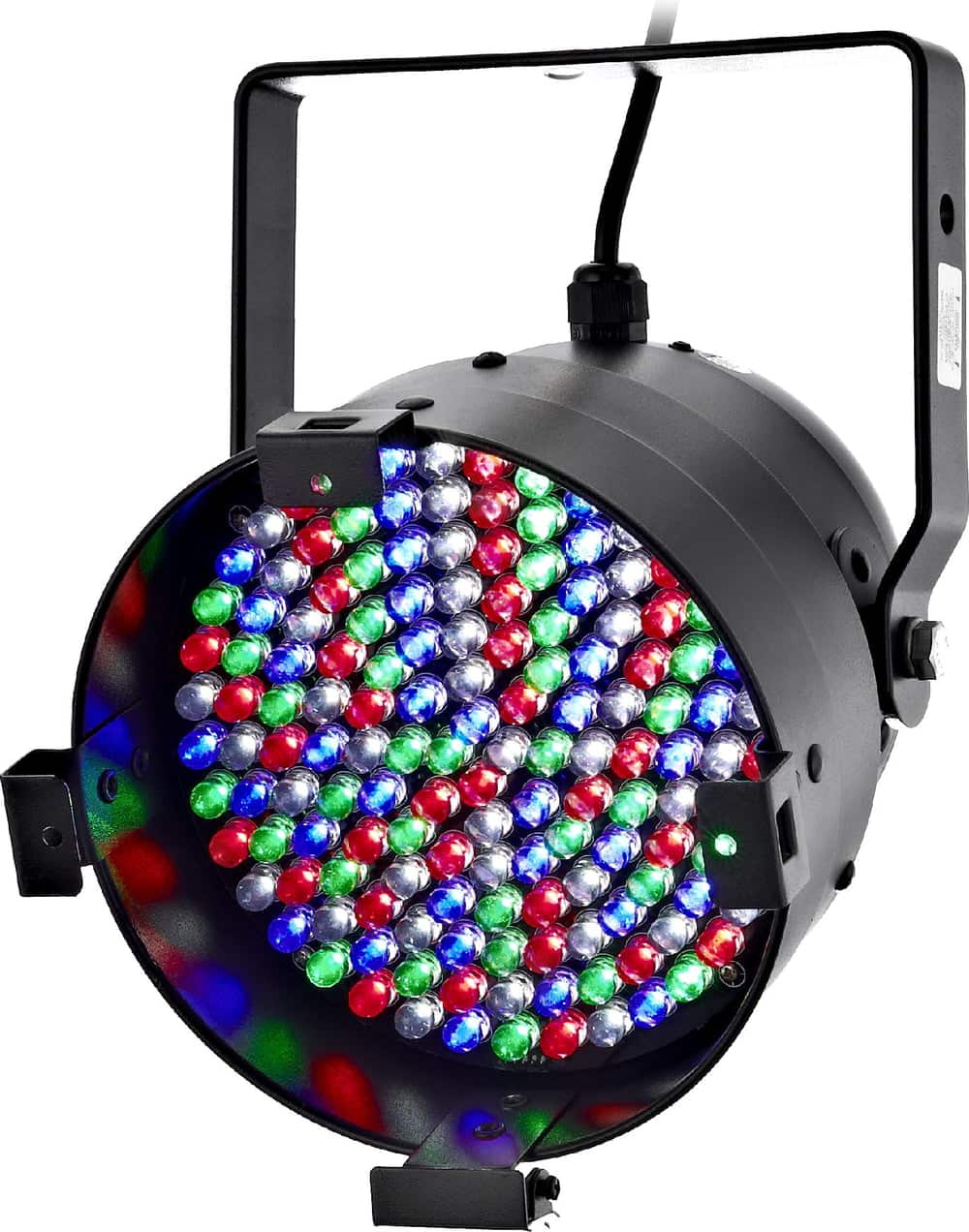
Stairville LED Par56 MKII RGBW
Image courtesy of Thomann.
Tri LED / Quad LED
Tri LED and Quad LED are types of LEDs that combine RGB or RGBW into a single LED that allows you to change colors. Or mix colors to come out into different shades according to the RGB color system in more detail.
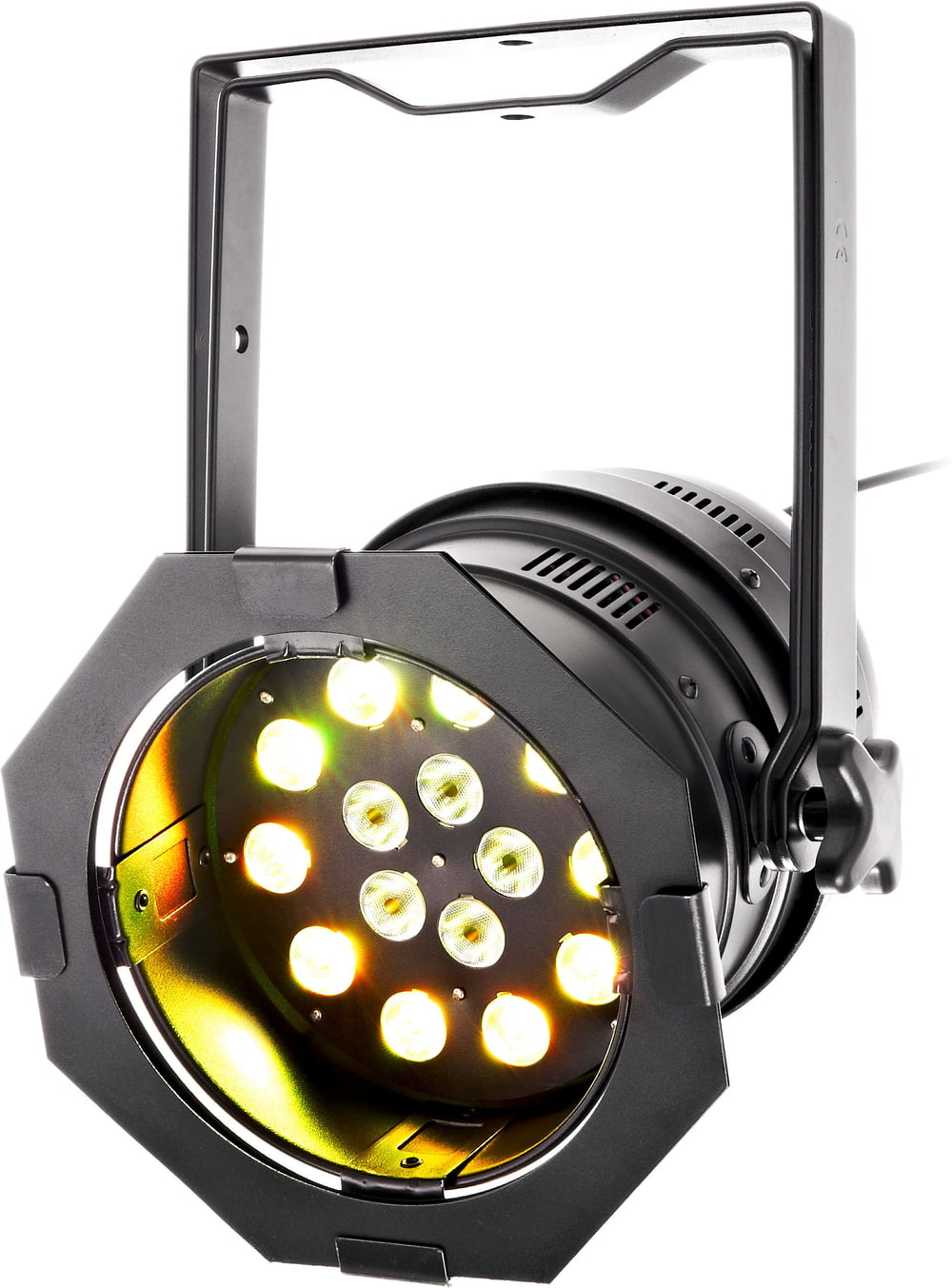
Stairville Led Par 64 CX-1 RGB+W 15x3W
Photo courtesy of Thomann.
2 Main Functions of LEDs in Stage Lighting
light effect
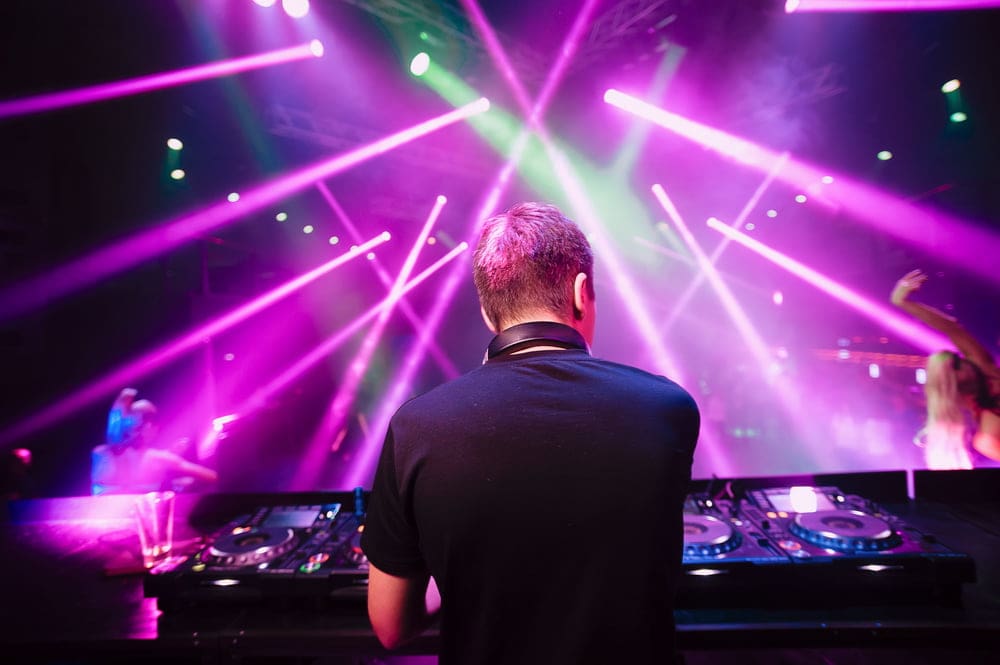
Light and color are influential. It helps to make the stage show interesting. amaze and create a good experience in watching the concert or shows to the audience a lot
decorative lights
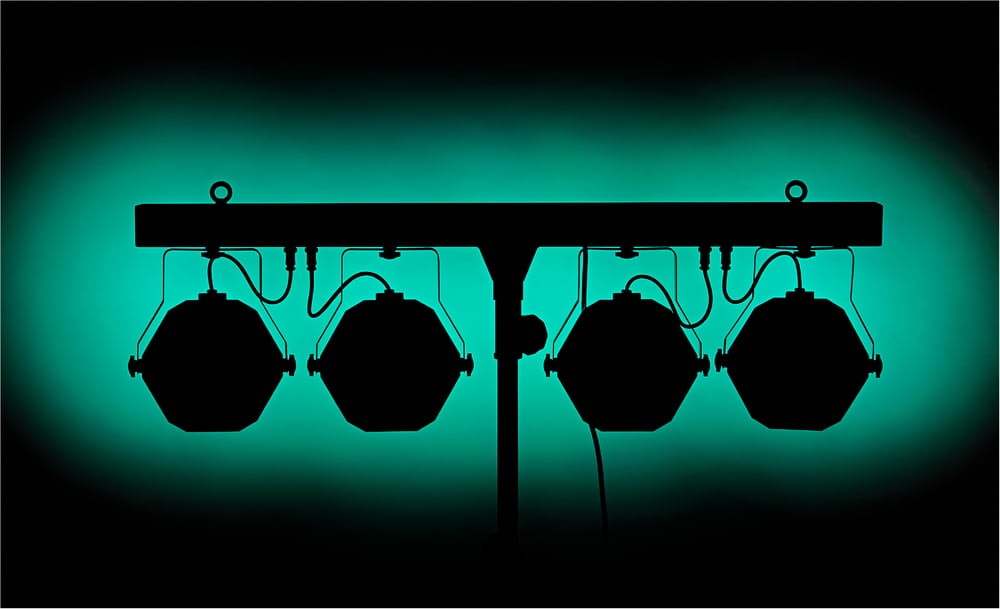
Of course, light and color are indispensable elements for the stage. In addition to being used as a light effect to set the mood and attracts the attention of the audience Use as a decorative light for creative stage design And to illuminate the stage for actors, musicians and artists is also important.
Moving Head
When it comes to moving head lights, we’ll divide them into wash lights , beam lights , and spotlights as follows:
The Wash Light is suitable for illuminating different areas of the stage in a wide radius. which not only illuminate the area But it can also be used as a lighting effect.
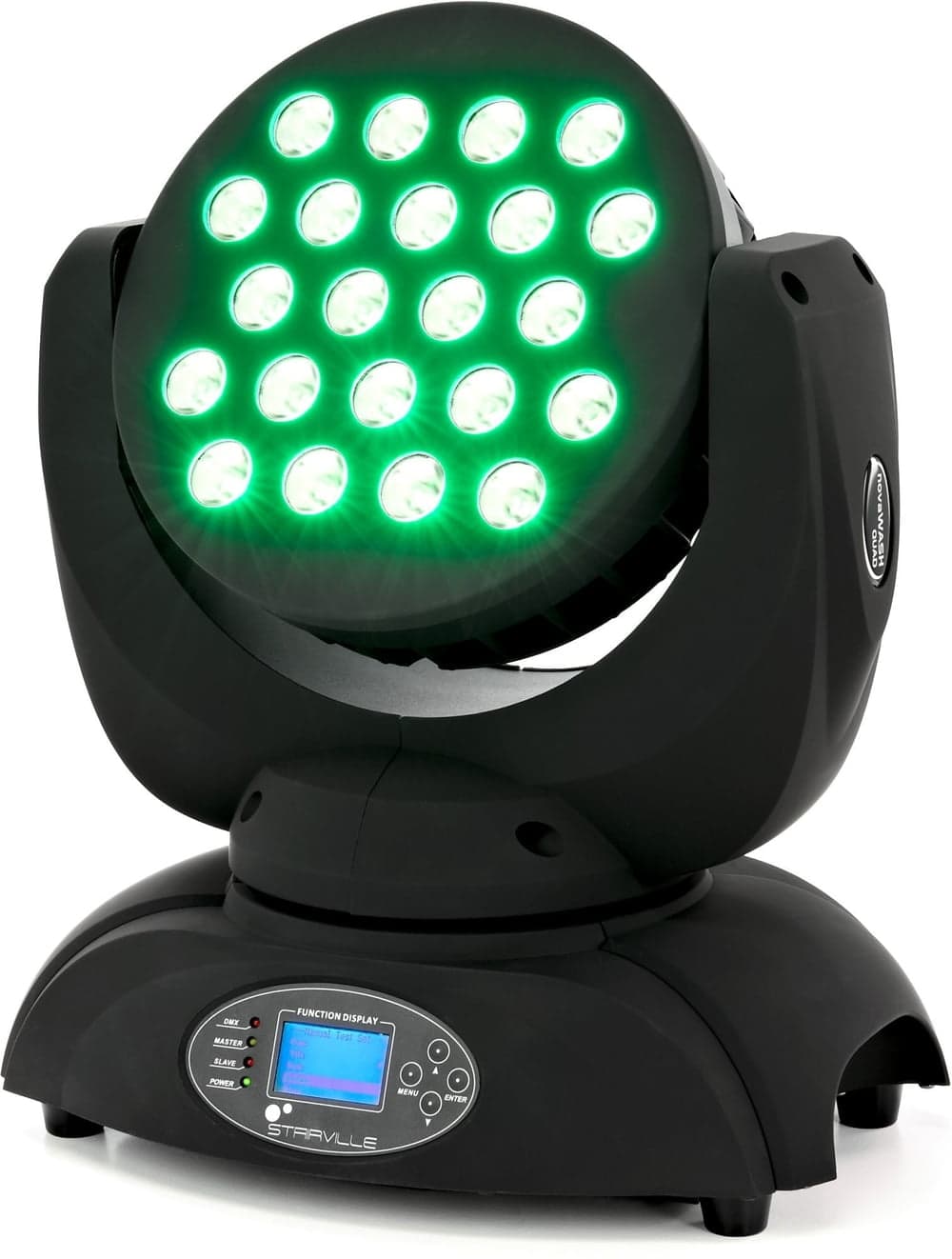
Stairville novaWash Quad LED Moving Head
Photo courtesy of Thomann.
If it’s a moving head spotlight , you’ll find that many models are capable of projecting different types of gobos depending on the zoom range – extending the beam, and also using local blending techniques. and effects
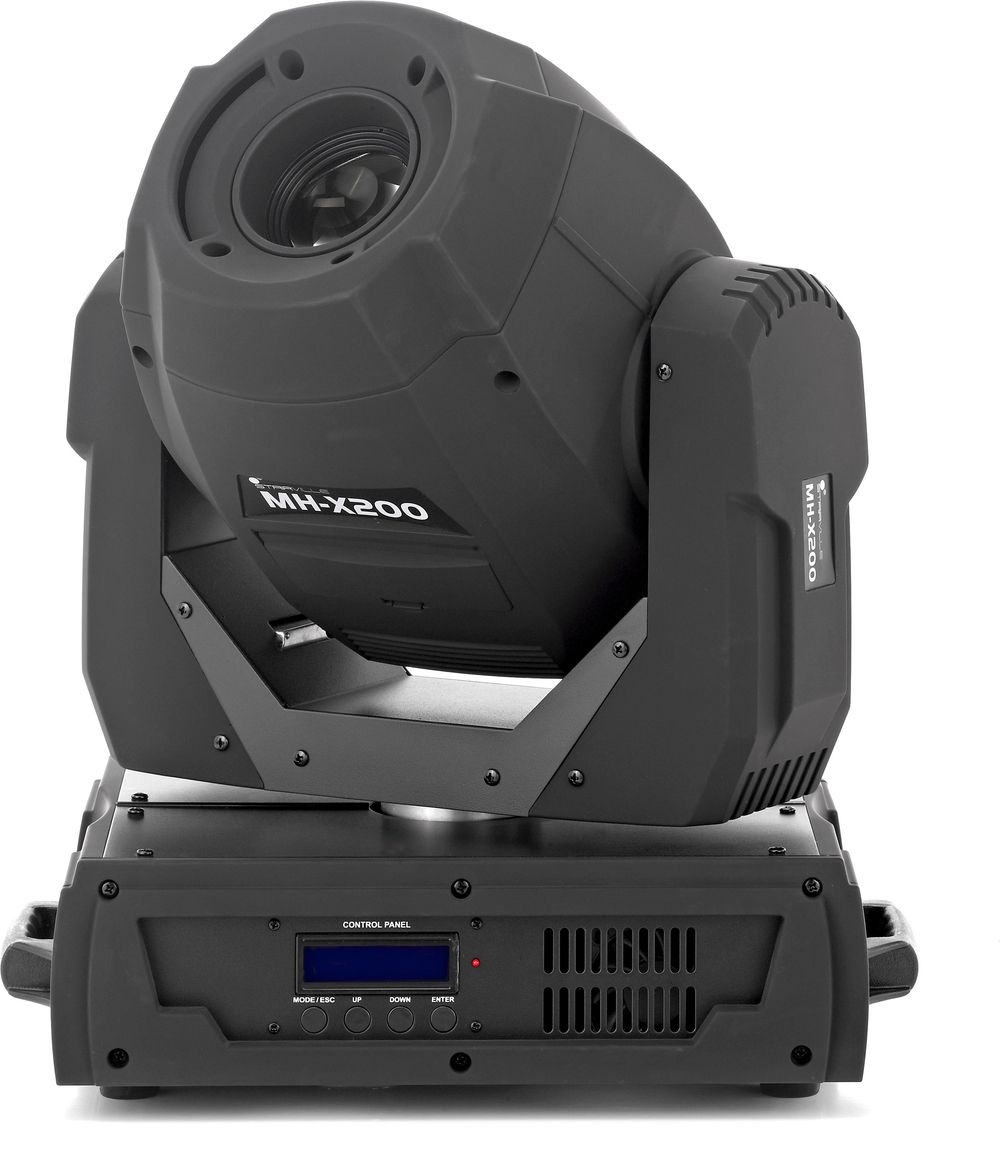
Stairville MH-x200 Pro Spot Moving Head
Thank you photo from Thomann.
Beam Light is a very popular Moving Head light. By the way, many manufacturers are competing to break the record for the narrowest light distribution angle. and maximum output. The Beam Light is also compatible with prisms, gobos and colours.
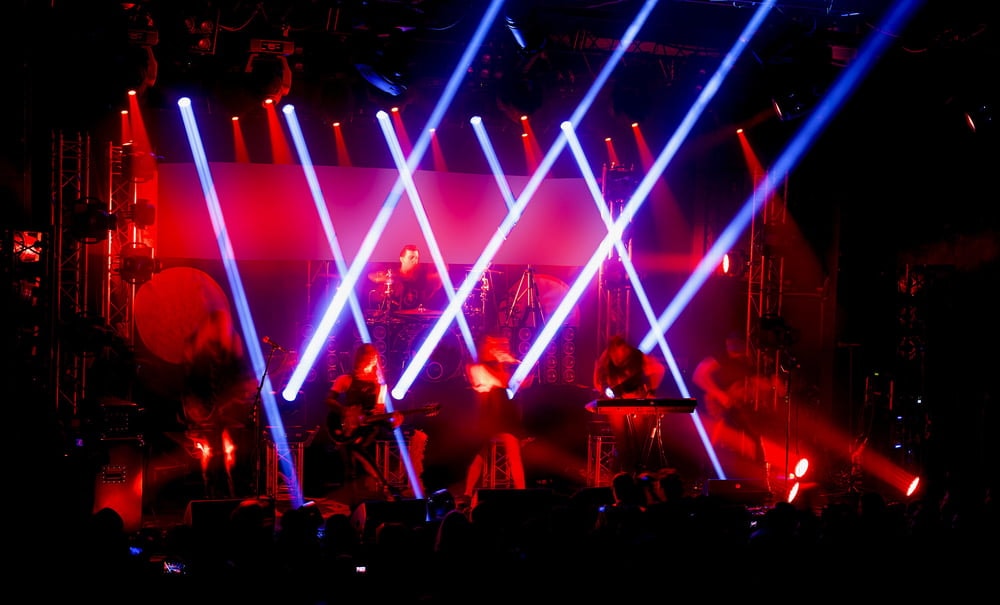
LED Bar
LED Bar lights are an attractive choice in stage lighting design. Although it is an uncontrollable LED light. Or can be operated independently like Moving Head lights and have limited functionality. However, LED Bar has advantages in terms of color. and a light with continuous dimming capability. and emits light evenly Do not confuse LED Bar with LED Strip , which is long. and flexibility and especially suitable for stage decoration with lighting

Stairville Led Bar 240/8 RGB DMX 30°
Image courtesy of Thomann.
summarize
The main reason behind the advantages of using LEDs is their low power consumption. Compared to similarly bright “halogen” bulbs, LEDs only use one tenth of the energy. high durability Some models can last up to 50,000 hours. In addition, LEDs emit no heat. This advantage will surely bring peace of mind to actors, musicians, and artists. What is noticeable on stage is that artists sweat less. And the devices are not exposed to the risk of damage. Caused by high temperatures, sure enough.

test
test