

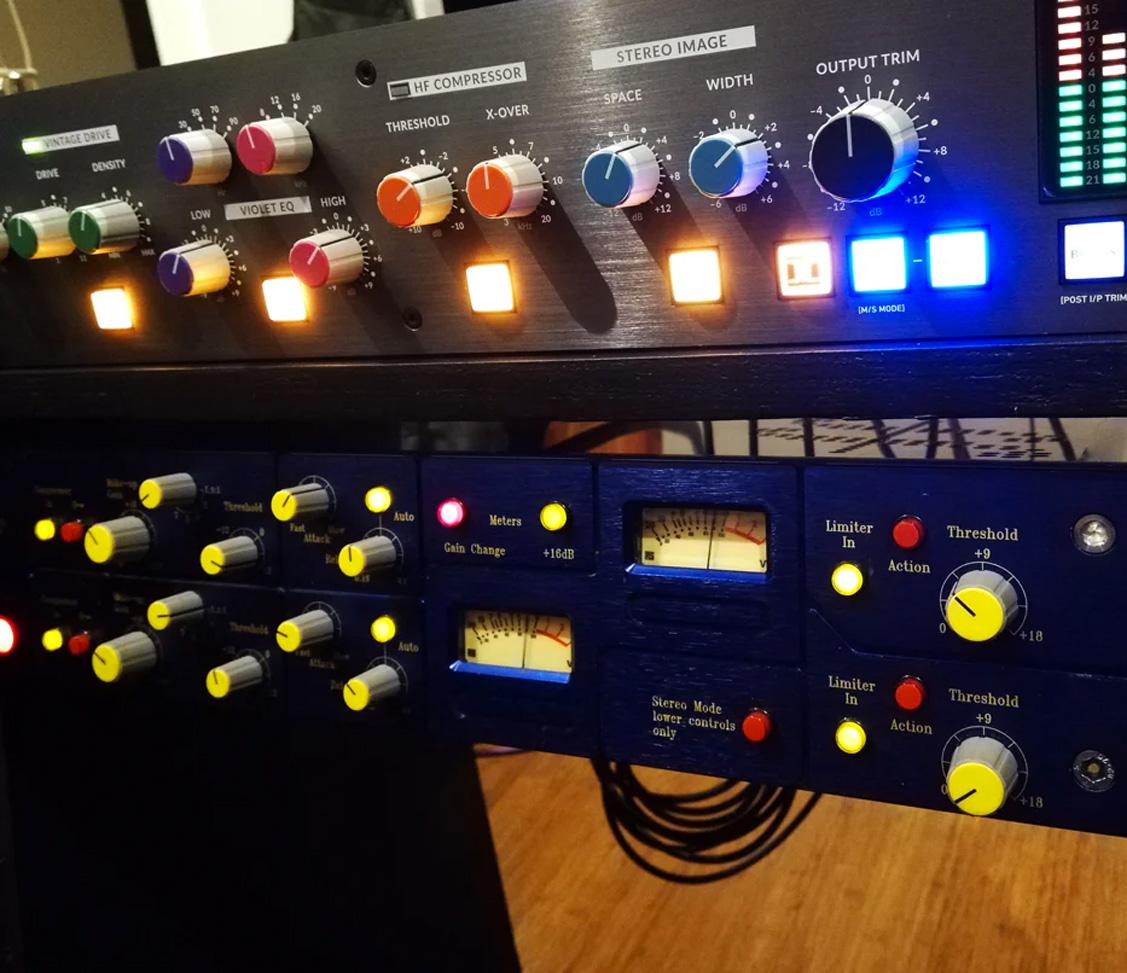
Compressor VS Limiter
Compressors and limiters, either as plug-ins or as DSP devices in outdoor audio systems. Each is responsible for managing the dynamics of the sound. to manage the dynamics of the sound to be stable and more melodious by pressing or compressing the signal and keep the average loudness level similar However, both compressors and limiter They have different points. What will be the difference? You can follow in this article.
What are compressors and limiters?
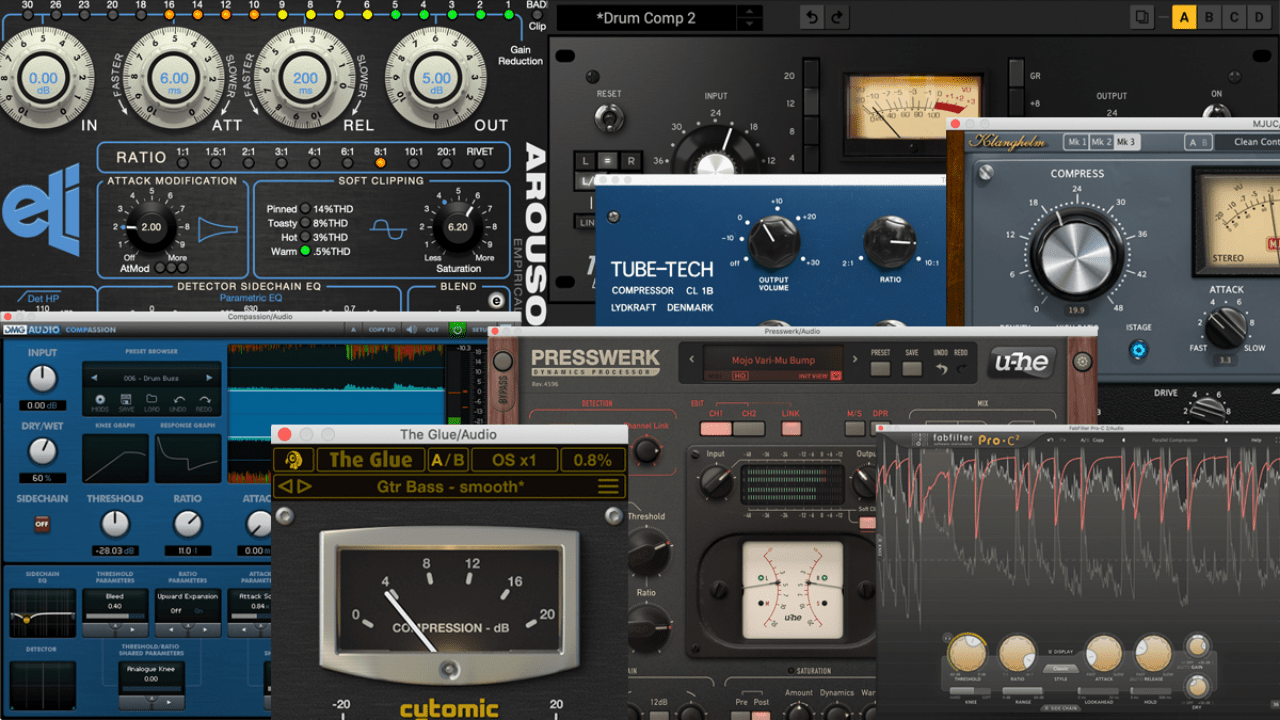
compressor
Compressor is a tool that compresses the dynamics of an audio signal. To create a natural sound for that sound by Dynamic Range means the difference between the loudest sound levels. with the lowest volume in that audio signal The compressor will press down on the loudest volume. to get a similar average loudness level
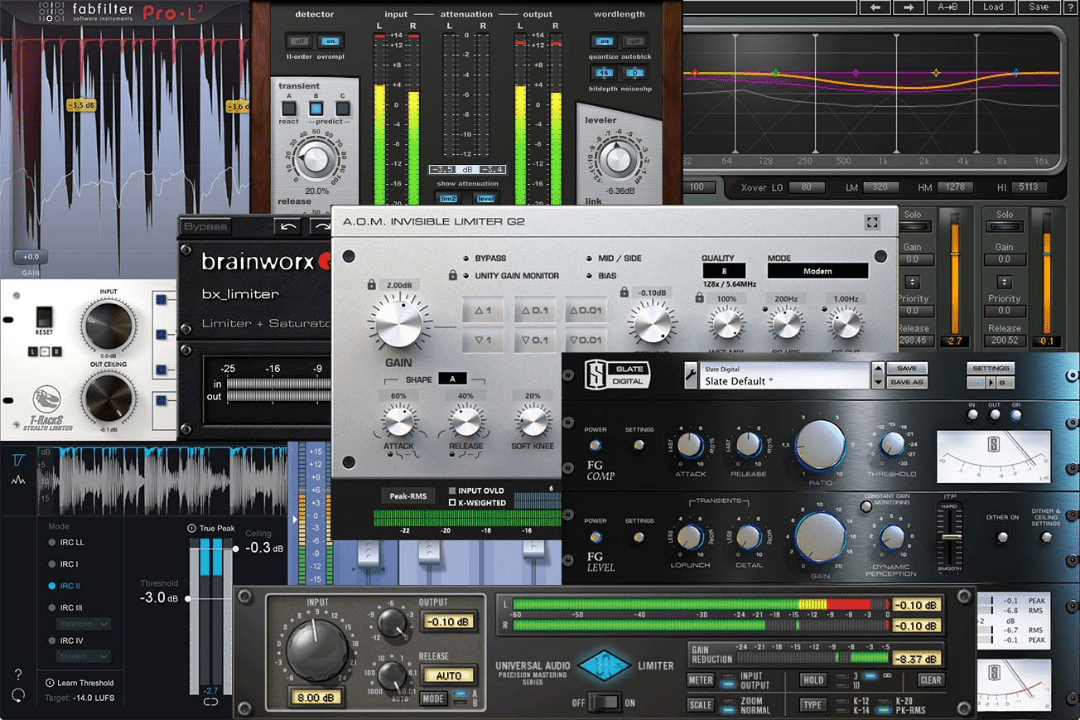
limiter
Limiter is a tool for audio signal processing. Related to Dynamic Range, similar to compressors. But the difference is that the limiter will block the amplitude of the audio signal. Not to be louder than the specified value To prevent peak or clip, no matter how much make-up gain we make, the limiter will block the amplitude of the sound from getting higher.
Adjusting the compressor
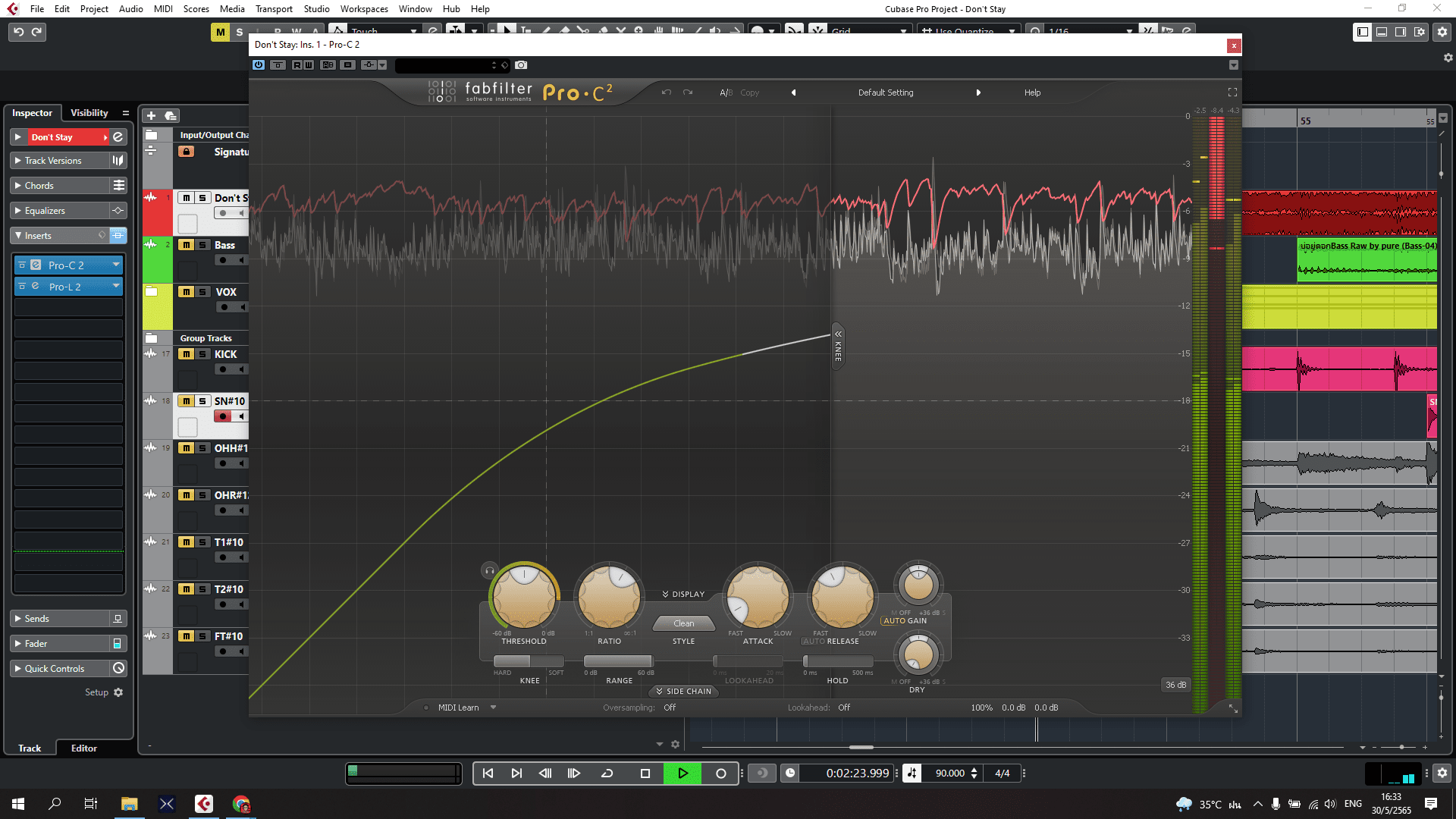
The compressor will have various knobs for setting values such as Threshold , Ratio , Knee , Attack Time , Release Time and others. The adjustment knobs have the following working principles:
Threshold
Threshold is to set the threshold level at which the compressor will start. For example, if we set the Threshold level at -10 dB, then when the signal level reaches or exceeds -10 dB, the Compressor starts to suppress the dynamic of the audio signal. by pressing only the point that is higher than the specified Threshold
Ratio
Ratio is the signal compression ratio, using dB as a reference measure for compression. For example, a ratio of 1:1 means that if there is 1 dB of input signal, 1 dB of output will be output. “No compression at all”, but if the Ratio is set at 2:1, that means If the input signal is 2 dB, it will only output 1 dB, etc. In actual use. Suppose the signal comes in at 16 dB and you set the ratio at 4:1, that means the compressor will compress the signal. Gives out only 4 dB only.
Knee
Knee is the definition of nature. To change the status of the audio signal from uncompressed signals to a compressed signal In many models of compressors, it can be adjusted in detail. While many models only have a choice between “Soft Knee” (gradual compression) and “Hard Knee” (strong compression).
Attack Time
Attack Time refers to the speed of time. that is used to fully compress the signal After the signal has reached the threshold of the specified Threshold, measured in ms (milliseconds).
Release Time
Release is the opposite of attack time, which means the time it takes for a compressed signal to change. Reverts the original signal that has not been compressed. Using the unit in ms as well, which compresses the signal per 1 time, how long or how short is it? It depends on the release time setting.
Output Gain (Make-up Gain)
Output Gain or Make-up Gain, depending on the manufacturer of each brand, but both words have the same meaning, that is, the part that serves to compensate for the signal level. that is lost from compression itself
limiter adjustment
The menu functions of the Limiter are somewhat similar to Compressor, except that the limiter does not have adjustments to Knee and Ratio. The limiter has a function menu for adjusting values. that is different from the compressor as follows:
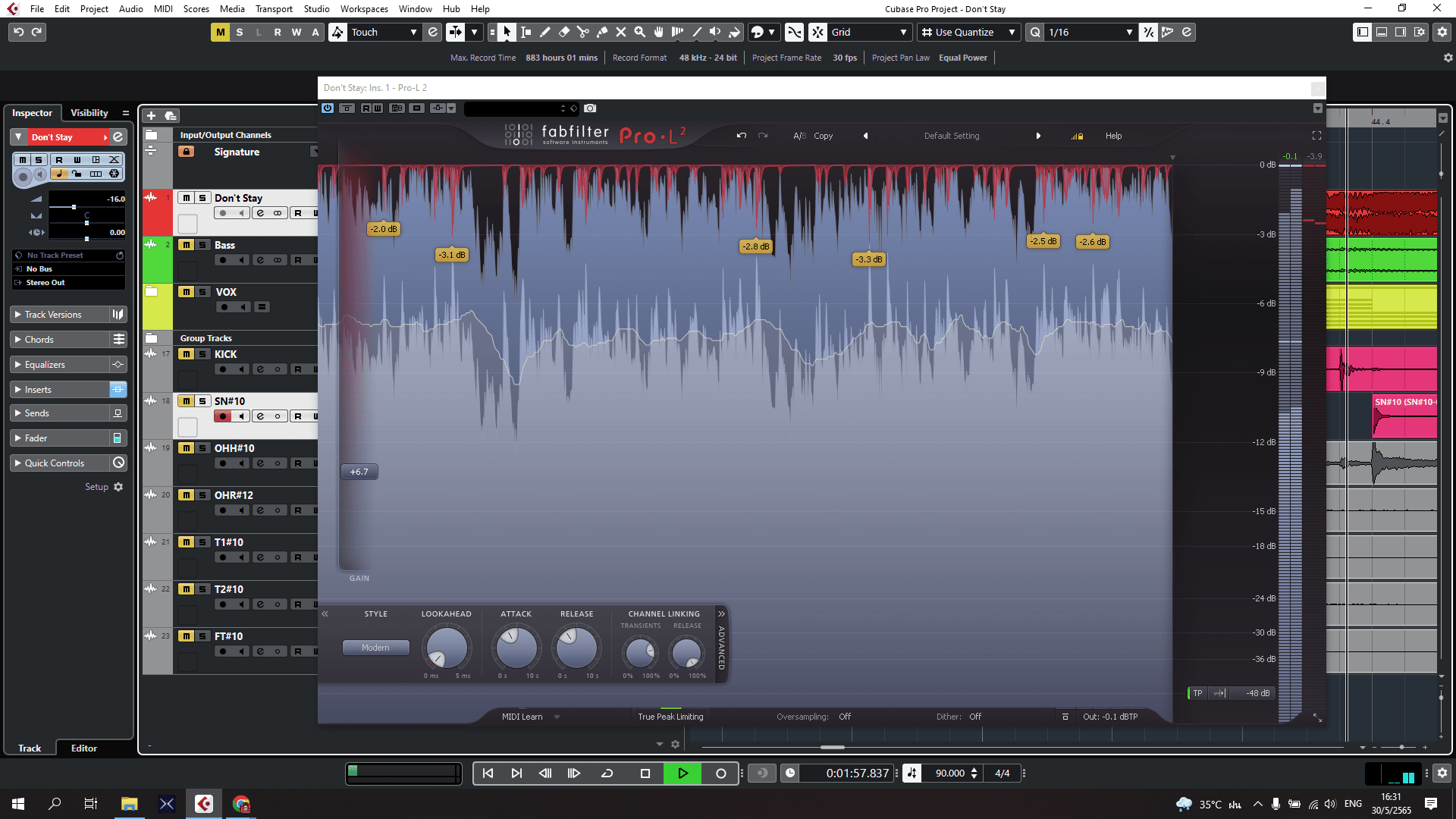
Ceiling Output
Adjusting the Ceiling Output of the Limiter Quite similar to the compressor Threshold is that it sets the threshold level at which the limiter will start. or in other words, audio ceiling setting That does not want to cause a Peak or Clip, for example, if the Ceiling Output is set at -0.1 dB when the volume reaches the specified ceiling or Make-up Gain increases the maximum amplitude level of that audio signal. will be blocked not to exceed -0.1 dB
Loudness Metering
Loudness Metering will be in the form of a graph. for measuring the sound pressure level Normally, the unit of measurement is LUFS (Loudness Units Full Scale). For studio sound engineers, this unit of measurement is used to mastering music at the appropriate volume for different platforms. Limiters are also important. To prevent damage to the loudspeaker itself.
Summarize the difference between Compressor and Limiter.
in some compressors We may find that there is a built-in limiter to come in. But in general, what we see in most cases, the compressor and the limiter work separately from each other. Because the obvious difference between the two is that the compressor acts to “ press ” the dynamic of the loud sound. down to a similar average level limiter part Will serve to ” block ” the amplitude of the sound to avoid Peak or Clip for the safety of the speaker. whole compressor and the limiter itself does not have a duty to make the sound louder Because what really makes the dynamic of the signal louder is the “Make-up Gain”.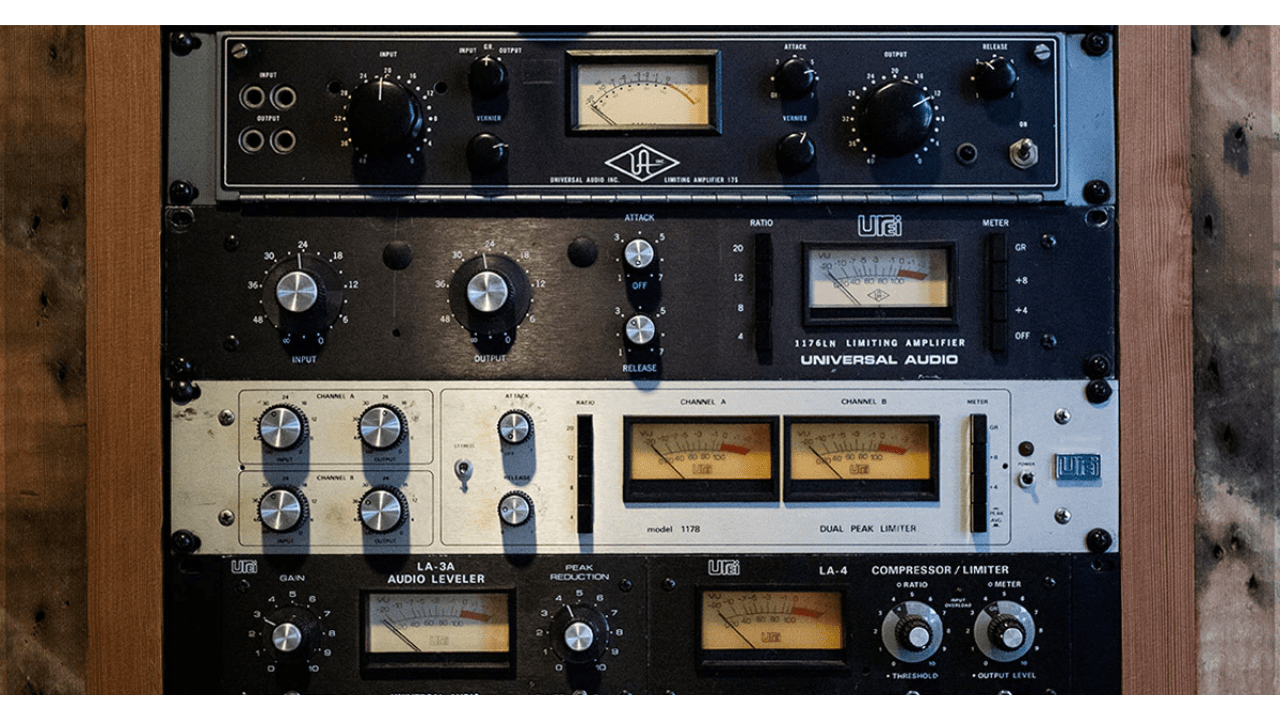

ดีครับ