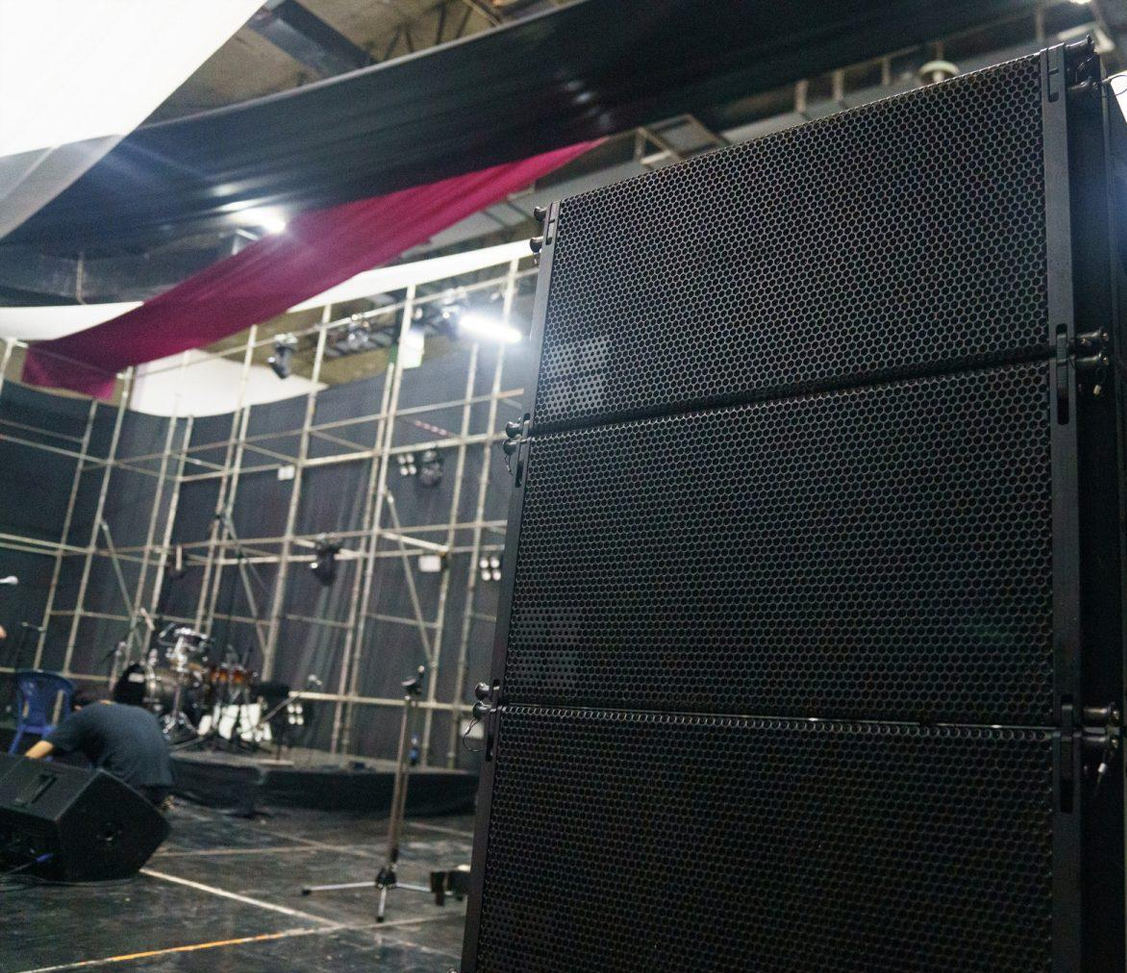
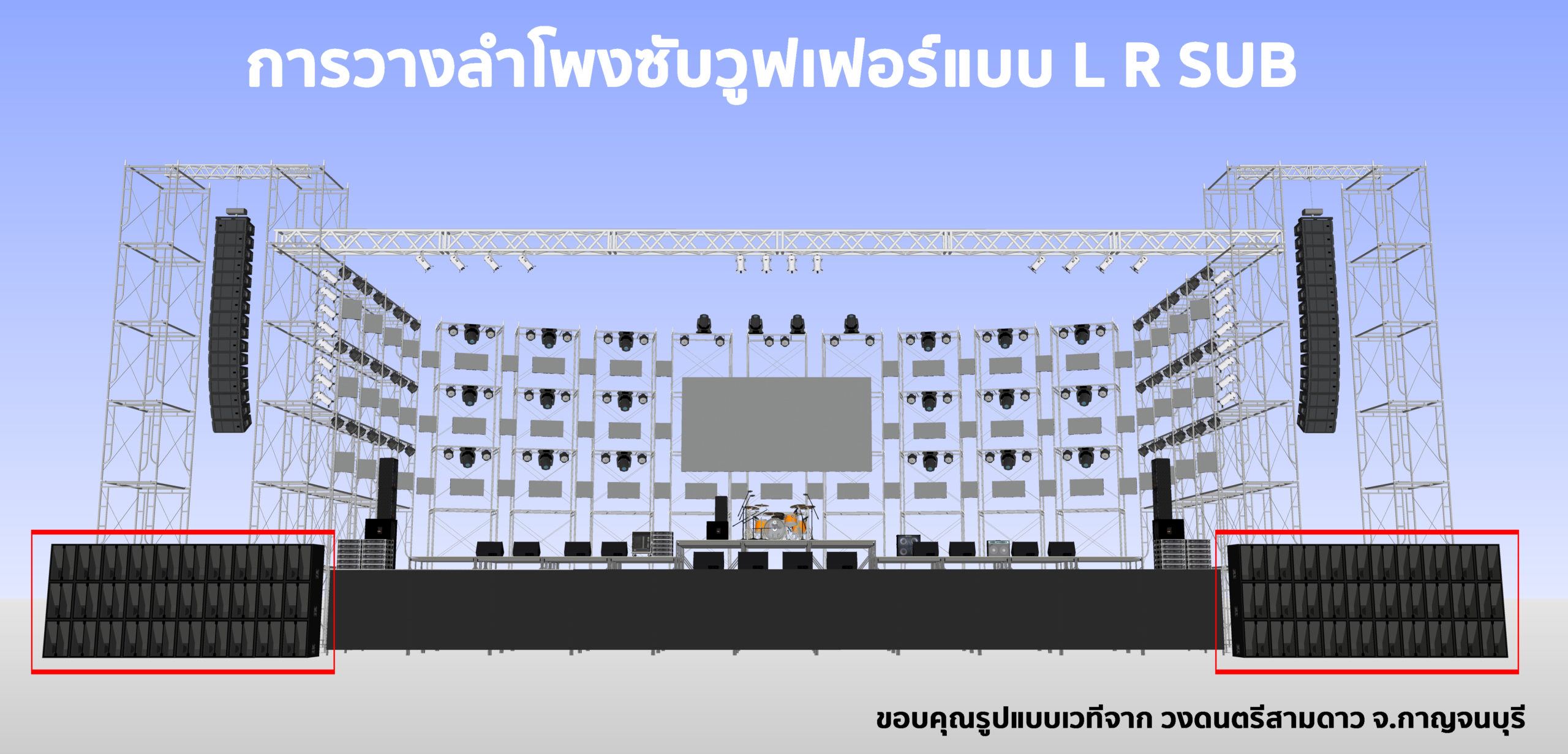
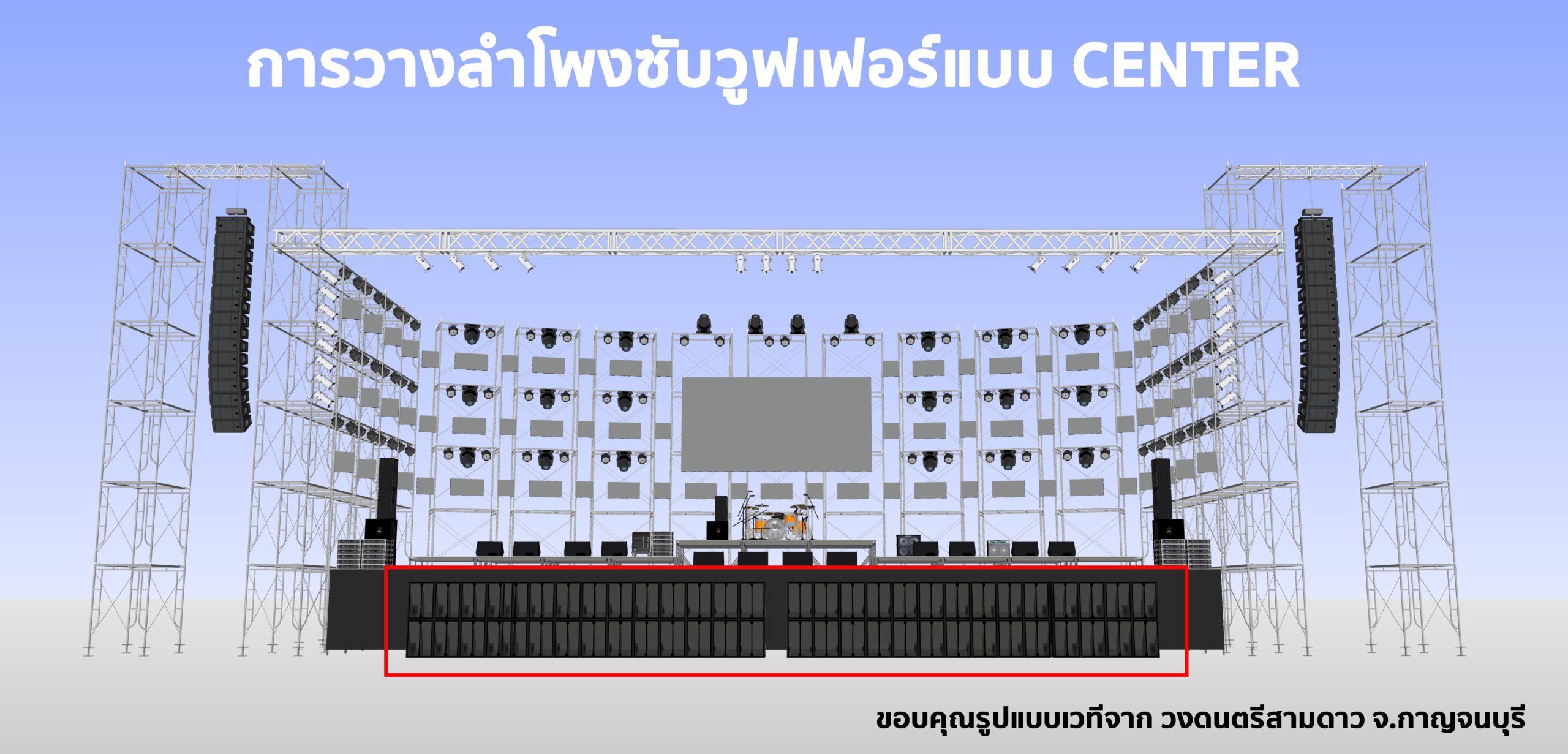
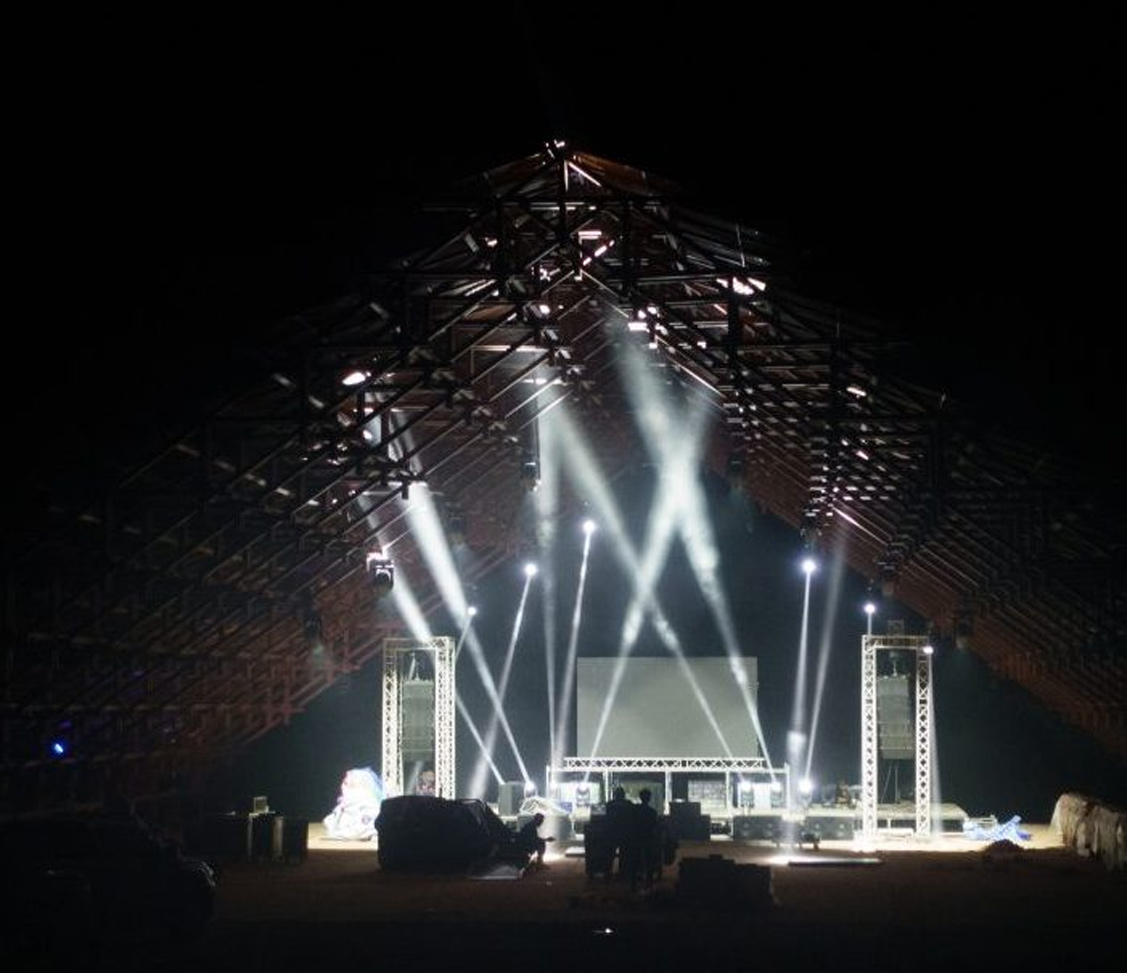
Subwoofer speakers How are placing a Live sound event on the side of the stage left and right (LR SUB) and placed in the middle of the stage (Center Sub) will give different results?
Placing left and right subwoofers on the side of the stage There will be two low-frequency sound sources, the sound waves from the speaker cabinet will be complementary. and offset in some areas will notice that The sound generated at various points in the work area is not equal, mainly around the line of symmetry between the cabinets. or center stage will be very loud because of the distance from the listener The left speaker cabinet and the right speaker cabinet are the same. The sound wave takes time to reach the listener at the same time. The same sound frequency is complementary. thus increasing the popularity
meanwhile If changing the listening area to a point where the sound from both sides of the speaker cabinet It takes time to arrive at the listener at the same time. in some frequency ranges There will be a clearing. So the noise is reduced.
In the case of placing the Subwoofer on the side of the stage, there will be a difference in sound volume. Some places are very noisy Some points are very light. according to the listening position
Placing a cabinet like this Convenient to set up There is no processor delay for each cabinet. high volume But must and with a lot of blind spots as well
Placing subwoofers in a row in the middle of the stage May be placed close to each other or spaced slightly apart. It is assumed that there is a low-frequency sound source that is arranged in a long line. It can be observed that Sounds that occur at different points in the event area have similar loudness, although the loudness at the position where the frequency is most reinforced is not very loud, but the blind spot or the point where the sound cancels out. is less than placing the cabinet on the left and right Placing a cabinet like this You need to set a delay for each cabinet. to manage the phase properly Make the sound have a similar average volume throughout the work area.
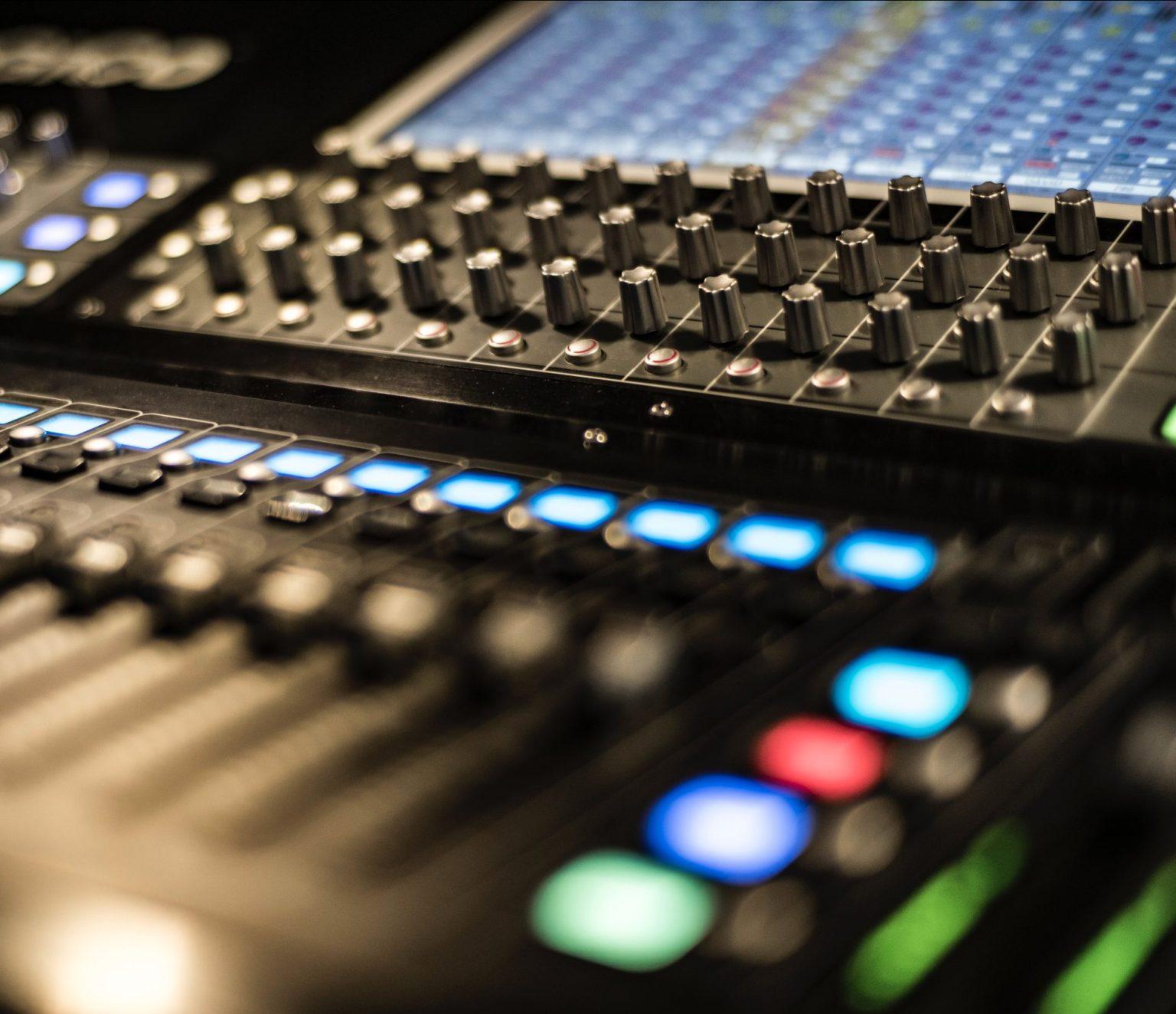
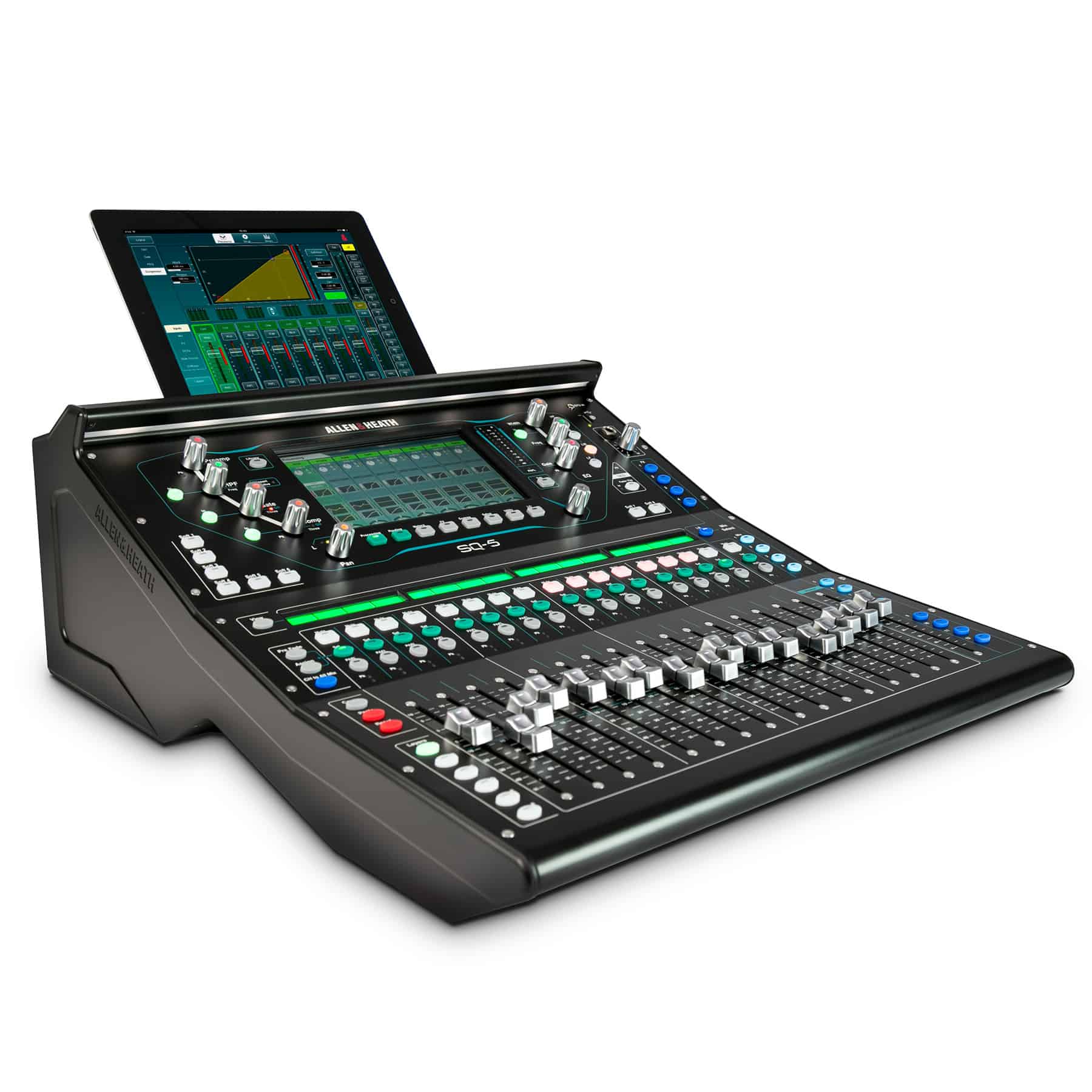
analog or digital mixer no matter what kind of mixer The same thing is Receiving audio signals from multiple sources combined together for example Audio signals from microphones, musical instruments, music players, computers, etc., and then send signals to various devices in the sound system, for example, processors, power amplifiers , speakers, which each type of mixer has a format and efficiency in use. vary what is important Must choose a mixer that is suitable for use.
analog mixer
Even sometimes in the use of a digital mixer. There will be a complete and convenient function of use, but analog mixers are still popular until now. Because there are many benefits for mixer beginners. The starting price is not too high. But it can also be used. Analog mixer signaling is relatively easy to understand. by sorting the signal Let’s start with the input terminal. and send signals in the order that they are arranged in that channel For example: Input → Pad → Gain → HPF → Comp r ess o r → EQ → Feder → Pan → Group → Master Fader etc. quite easy to understand can be customized and solve problems that arise quickly
digital mixer
compared to analog mixers Digital mixers are flexible. and has a more compact size by using a digital signal processing chip instead of expensive and bulky analog circuits. Digital mixers can be used with equalizers, compressors, effects, dynamic devices, and a variety of complex sounds.
Digital mixers are also flexible. In ordering the signal (Signal flow) and grouping (Group) of various audio signals can control audio signals from many channels by using a small number of faders, divided into layers, such as Layer A as Input 1-16, Layer B is Input 17-32, Layer C is Input 33-40, etc.
Digital audio transmission according to various protocols such as AVB, Dante, MADI, etc. to audio equipment. got a lot And there is less noise than in the analog system.
Wi-Fi control allows whether the sound engineer or the artist on stage Easy to control digital mixer From a distance with devices such as computers, mobile phones, ipads, etc.
ability to record and retrieve the previous configuration Suitable for complex and complex types of work, for example, when you have to mix 3 live bands on the same day. A digital mixer will answer the question. and more comfortable Definitely an analog mixer. but in the same case access to customization It’s a hassle, there are limitations if the user is not familiar with the use itself.
Which analog or digital mixer is right for you? Consider the following differences.
Choosing between an analog or digital mixer
For tasks that are not complicated, difficult, for example, karaoke, playing music, speaking lectures, teaching, etc., analog mixers can be used. complex work segment And the hassle of performing queues such as concerts, stage plays, Light and sound, etc. can use digital mixers. because it can facilitate with resolution to adjust Definitely more set up than analogue mixers.
Finally, choosing to use an analog or digital mixer must be considered for use. And the expertise of the user is mainly there.
LED, short for “Light Emitting Diode,” was invented in the 1960s when it was initially a light that only produced a small amount of light. But nowadays, there is almost no stage that does not have LED lights as a component of the lighting system. Usually.. Almost all types of spotlights have several “diodes.” Just like regular light bulbs, LEDs have a positive and negative terminal when the diode is connected to power. The electron travels from one pole. to another pole and the energy that comes out of this process will be emitted in the form of light (Photon)
Continuing from the previous article Things to know!! About “Stage Lighting” (Stage Lighting), so this article We will continue to expand. In regards to stage lighting, it is the “LED lights” used in stage lighting systems. to get to know and understand at the same time
Types of LED lights in stage lighting systems
Warm white / Cool white
warm white bulb It has a color temperature range of approximately 2700 to 3000 Kelvin. Inside a white LED there is actually a blue LED which is usually layered with a phosphor. As a result, the light that comes out is a soft white light, so it is called a Warm white light bulb, giving a soft, warm light that does not give much brightness. Help create a warm, romantic atmosphere, help you feel relaxed. It is also the light that is most comfortable on the eyes.
cool white bulb It has an approximate color temperature range of 4,000 to 4,200 Kelvin, producing bright, cool white light that is easy on the eyes. and also gives a feeling of vitality It also helps to see the surroundings clearly. compared to warm white bulbs
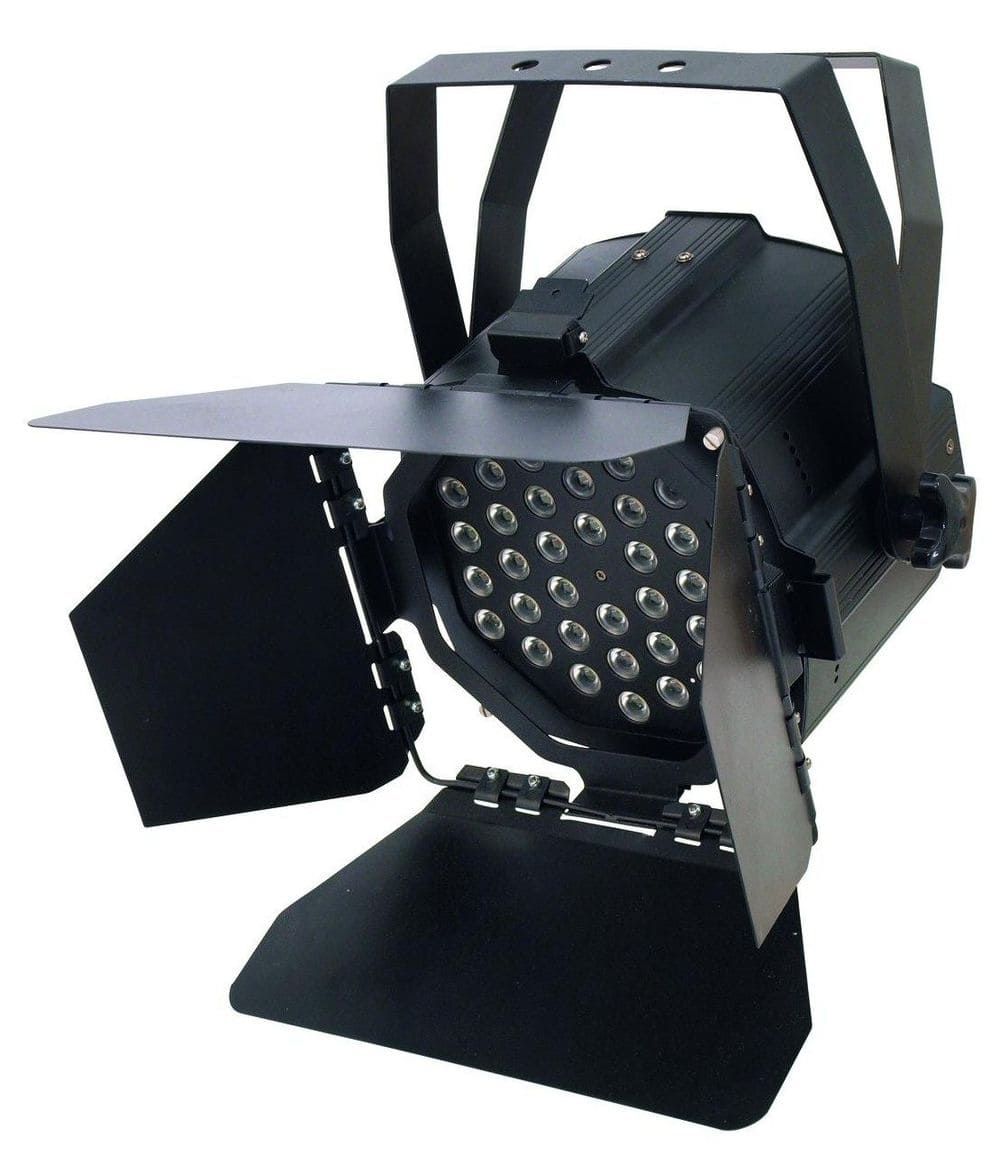
Eurolite LED Theater 36x 3W Picture courtesy of Thomann.
In principle, warm white and cool white LED bulbs cannot change the light to any other color. But there will be a variety of shades of white to choose from. from soft white that provides a maximum color temperature of 3,400 Kelvin, natural white at 5,000 Kelvin, and up to daylight white. Color temperature up to 6,800 Kelvin, which is often seen in both Fresnel Tungsten Spotlight and Daylight LED Spotlight, which has good coverage of the white spectrum.
Single- Color
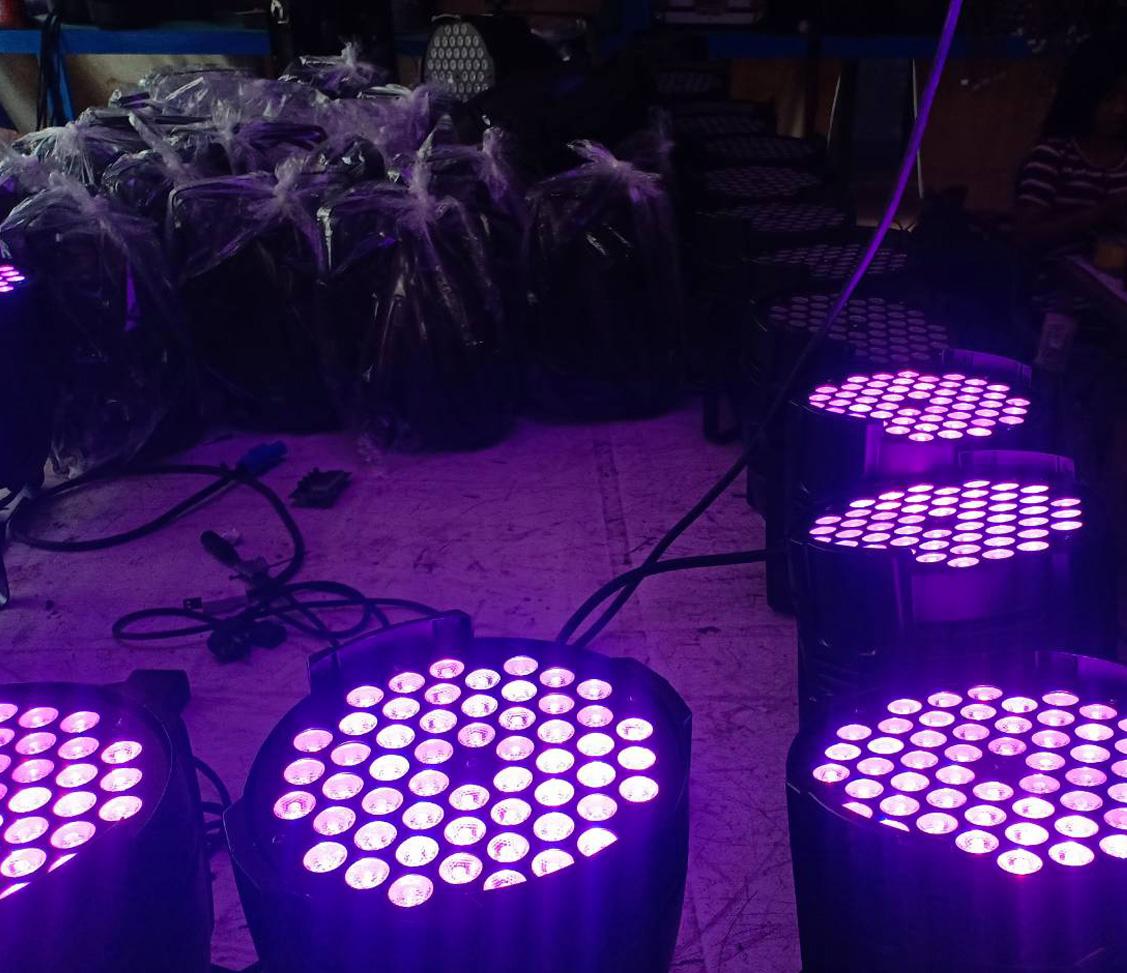
You can find these diodes in regular spotlights, which are the type of LED stage lights that can’t change color. Or no other colors mixed at all, for example, red is red at all. Unlike RGB-LED PARs, multiple LEDs of red, green and blue allow you to achieve the desired color mix. For this reason When an object is exposed to RGB light, it creates multi-colored shadows. The farther apart the diodes are and the closer the object is The larger the shadow, the larger the color will be.
RGB/RGBW and RGBA
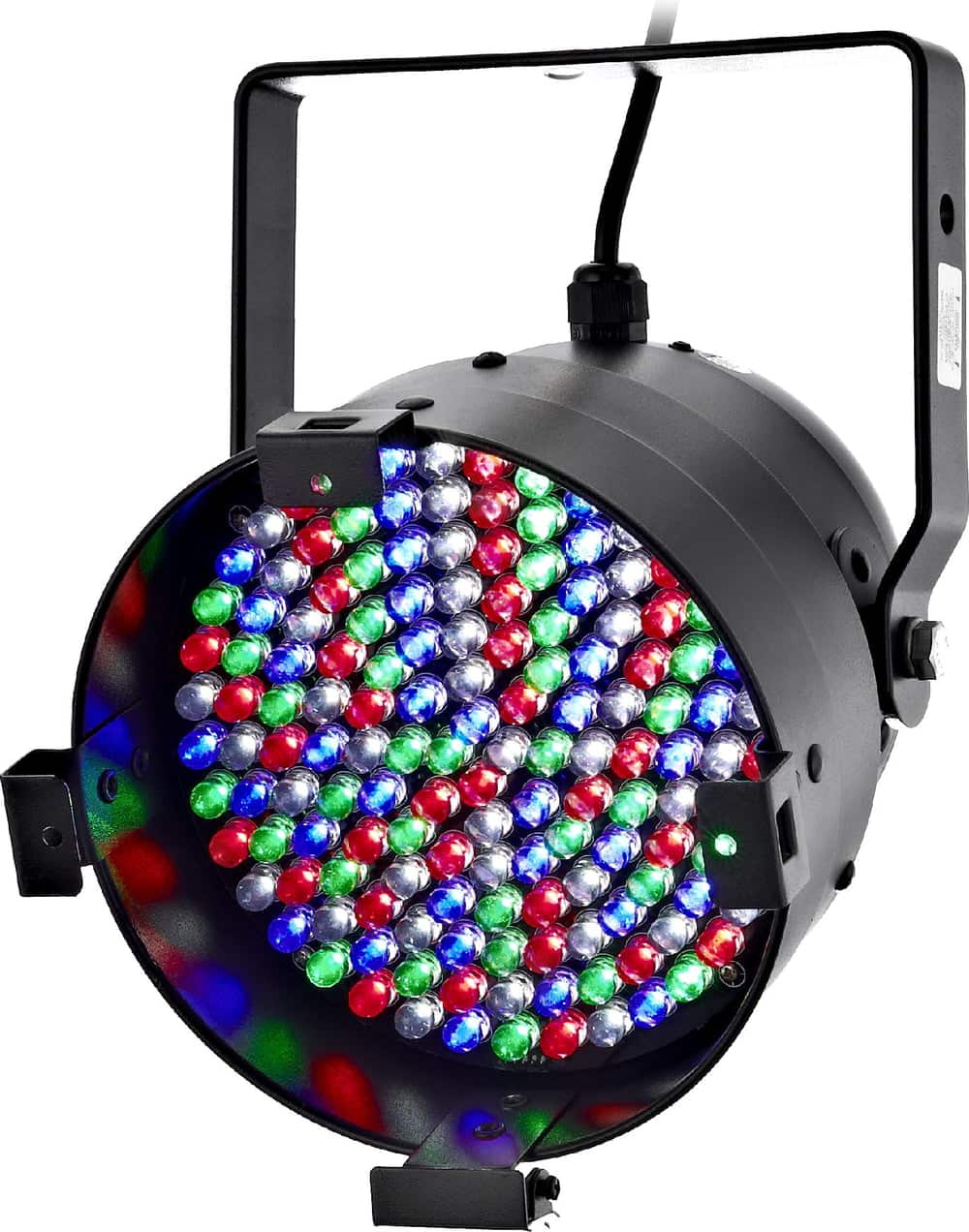
RGB lights here refer to LED lamps that consist of red (Red), green (Green) and blue (Blue), which are RGB primary color systems that can cause mixing of light colors in the case of RGBW lights . is an RGB light that can change to warm white with remote controller Or have a warm white color as a component in that lamp as well And in terms of lights, RGBA , or short for Red Green Blue Alpha, is an LED light that can adjust the transparency. and opacity of light It uses color component values that range from 0 (clear) to 255 (opaque), and can also be used as percentage values from 0% to 100%.
Stairville LED Par56 MKII RGBW Image courtesy of Thomann.
Tri LED / Quad LED
Tri LED and Quad LED are types of LEDs that combine RGB or RGBW into a single LED that allows you to change colors. Or mix colors to come out into different shades according to the RGB color system in more detail.
Stairville Led Par 64 CX-1 RGB+W 15x3W Photo courtesy of Thomann.
2 Main Functions of LEDs in Stage Lighting
light effect
Light and color are influential. It helps to make the stage show interesting. amaze and create a good experience in watching the concert or shows to the audience a lot
decorative lights
Of course, light and color are indispensable elements for the stage. In addition to being used as a light effect to set the mood and attracts the attention of the audience Use as a decorative light for creative stage design And to illuminate the stage for actors, musicians and artists is also important.
Moving Head
When it comes to moving head lights, we’ll divide them into wash lights , beam lights , and spotlights as follows:
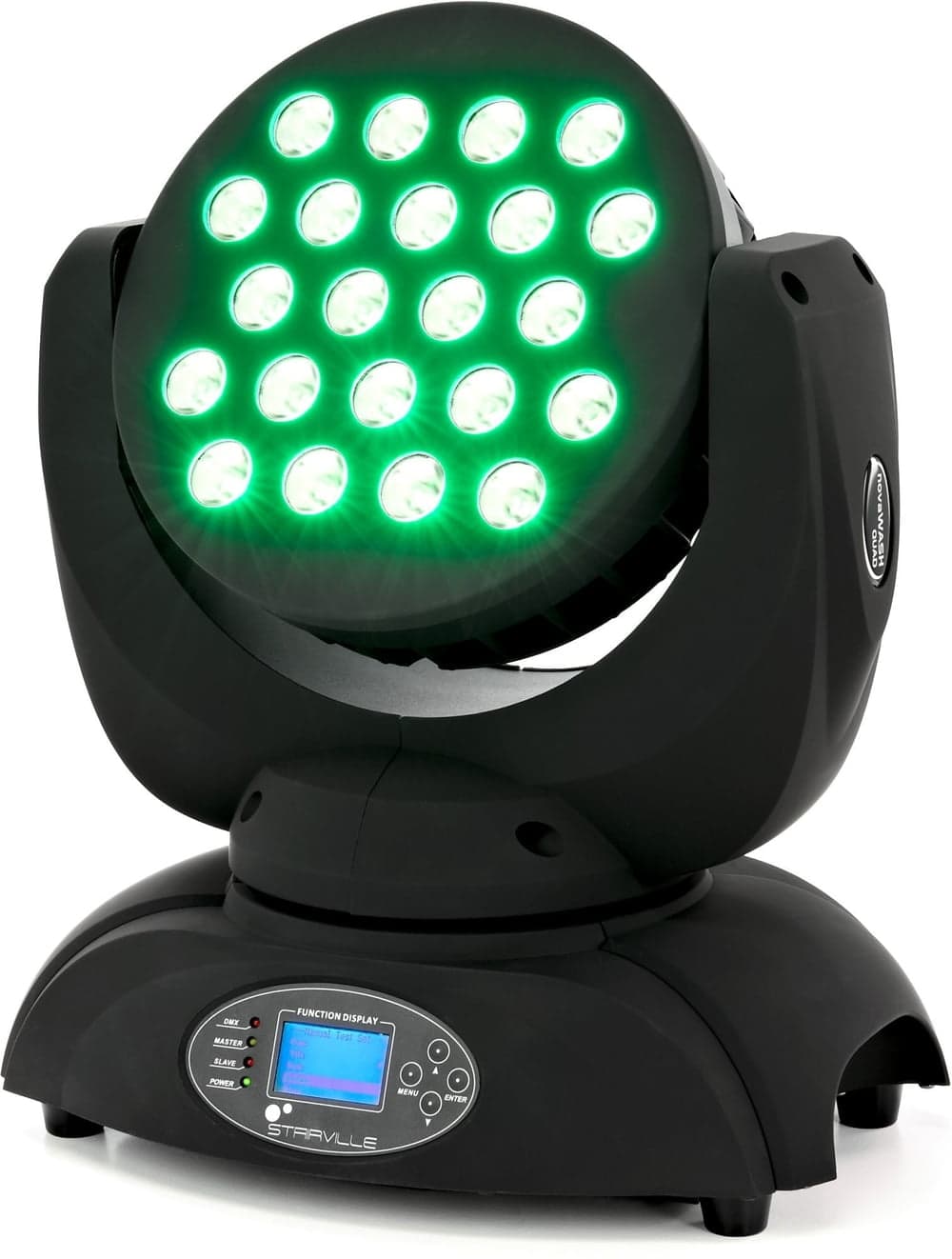
The Wash Light is suitable for illuminating different areas of the stage in a wide radius. which not only illuminate the area But it can also be used as a lighting effect.
Stairville novaWash Quad LED Moving Head Photo courtesy of Thomann.
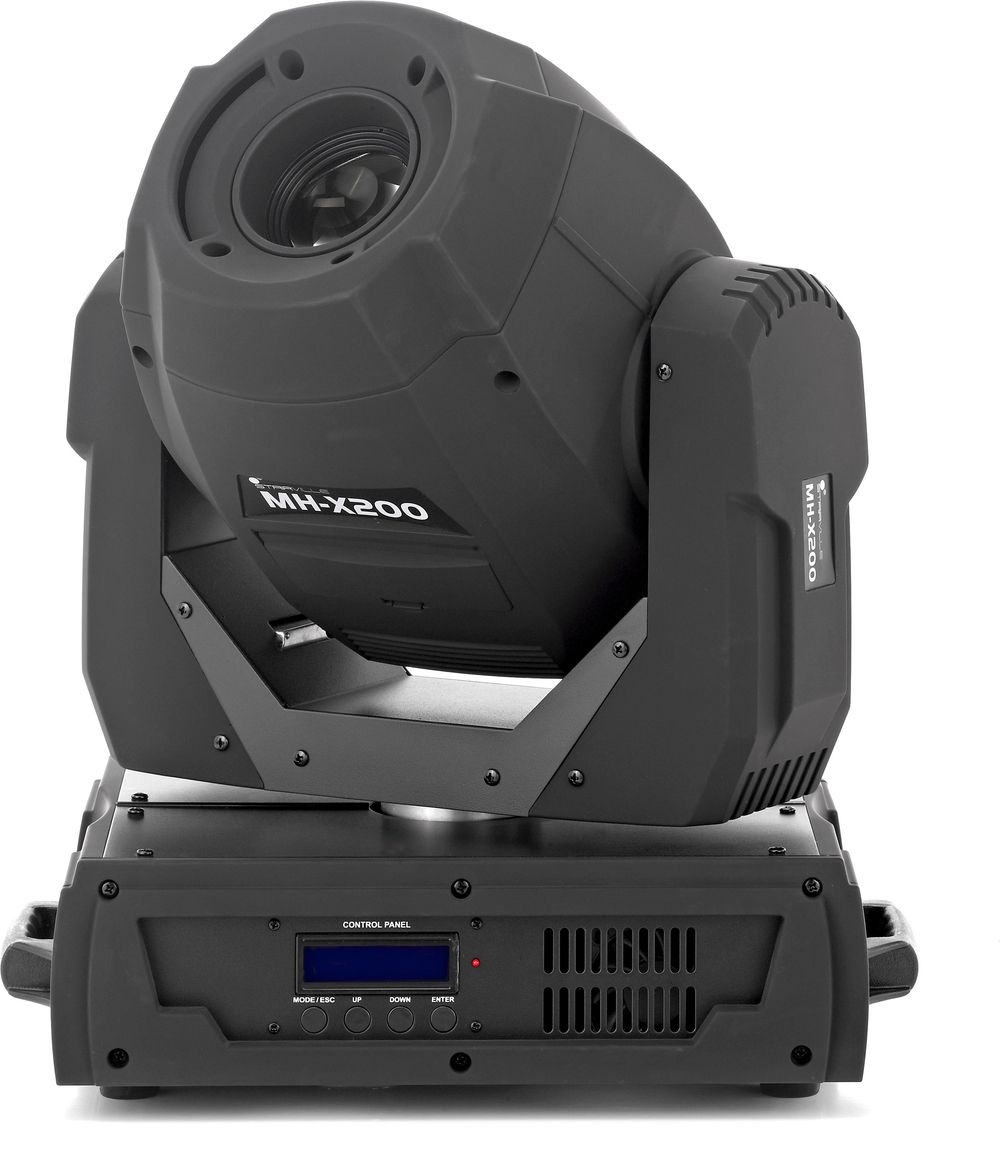
If it’s a moving head spotlight , you’ll find that many models are capable of projecting different types of gobos depending on the zoom range – extending the beam, and also using local blending techniques. and effects
Stairville MH-x200 Pro Spot Moving Head Thank you photo from Thomann.
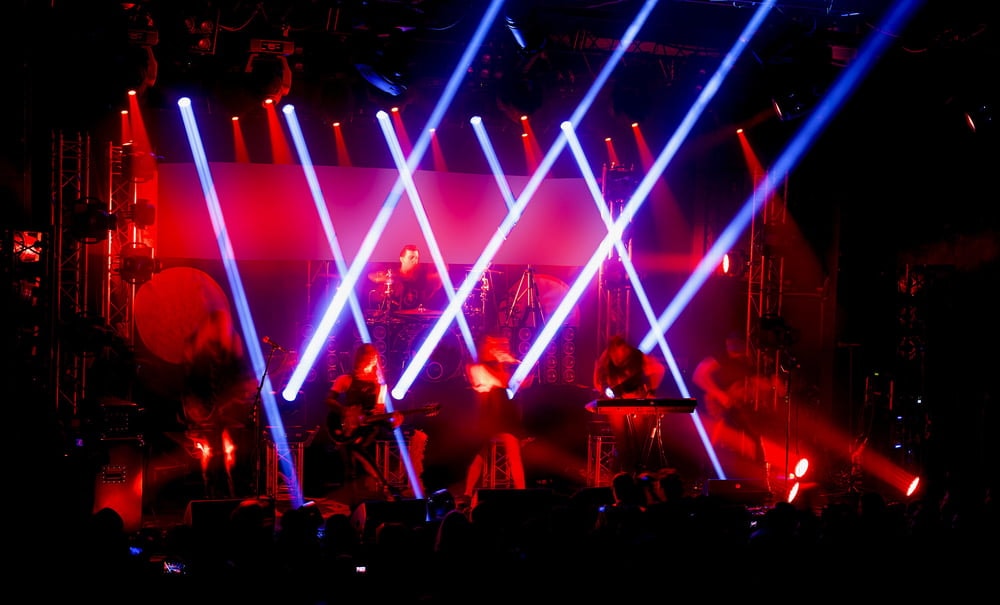
Beam Light is a very popular Moving Head light. By the way, many manufacturers are competing to break the record for the narrowest light distribution angle. and maximum output. The Beam Light is also compatible with prisms, gobos and colours.
LED Bar
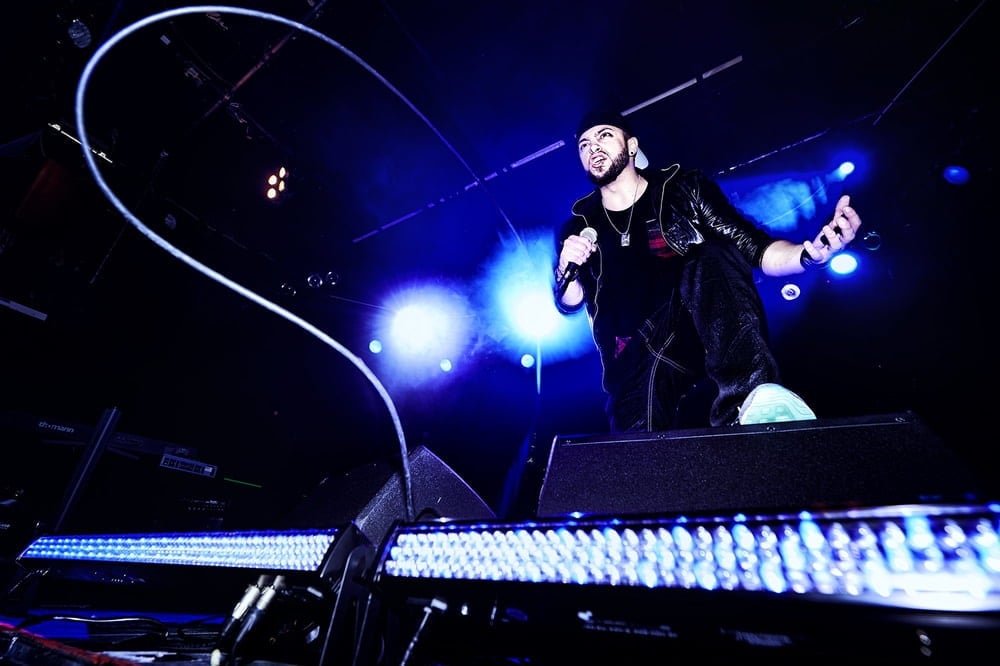
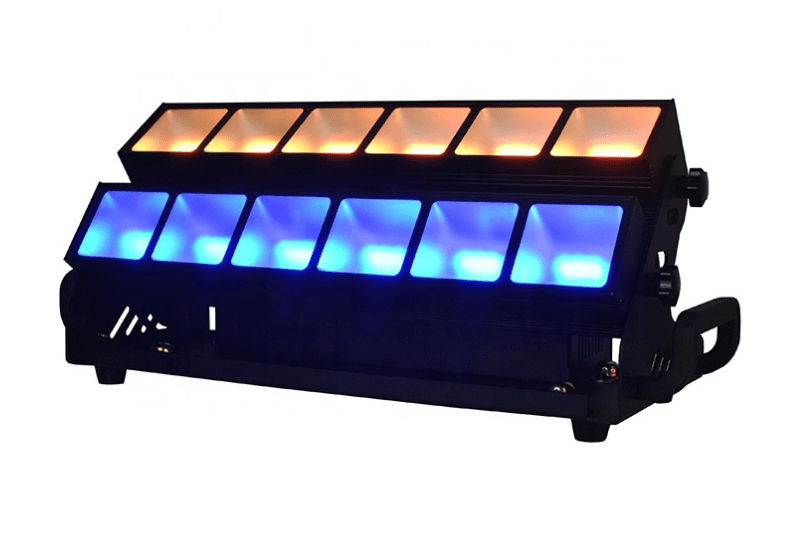
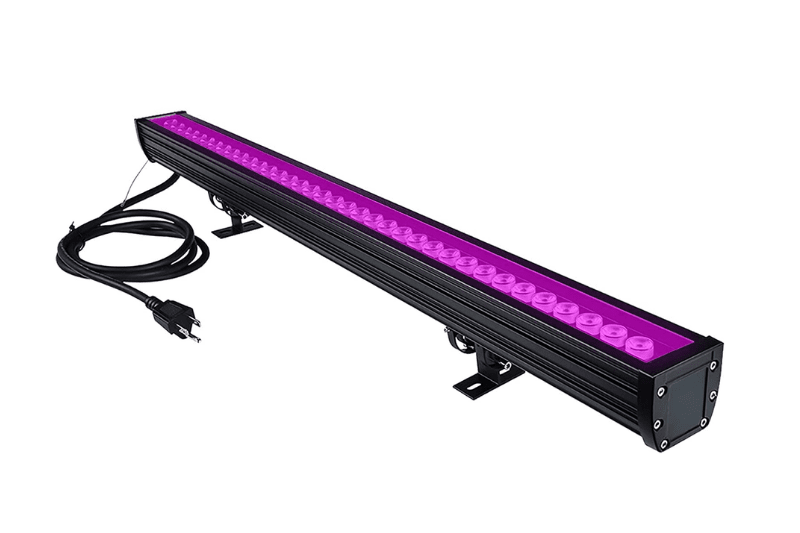
LED Bar lights are an attractive choice in stage lighting design. Although it is an uncontrollable LED light. Or can be operated independently like Moving Head lights and have limited functionality. However, LED Bar has advantages in terms of color. and a light with continuous dimming capability. and emits light evenly Do not confuse LED Bar with LED Strip , which is long. and flexibility and especially suitable for stage decoration with lighting
Stairville Led Bar 240/8 RGB DMX 30° Image courtesy of Thomann.
summarize
The main reason behind the advantages of using LEDs is their low power consumption. Compared to similarly bright “halogen” bulbs, LEDs only use one tenth of the energy. high durability Some models can last up to 50,000 hours. In addition, LEDs emit no heat. This advantage will surely bring peace of mind to actors, musicians, and artists. What is noticeable on stage is that artists sweat less. And the devices are not exposed to the risk of damage. Caused by high temperatures, sure enough.
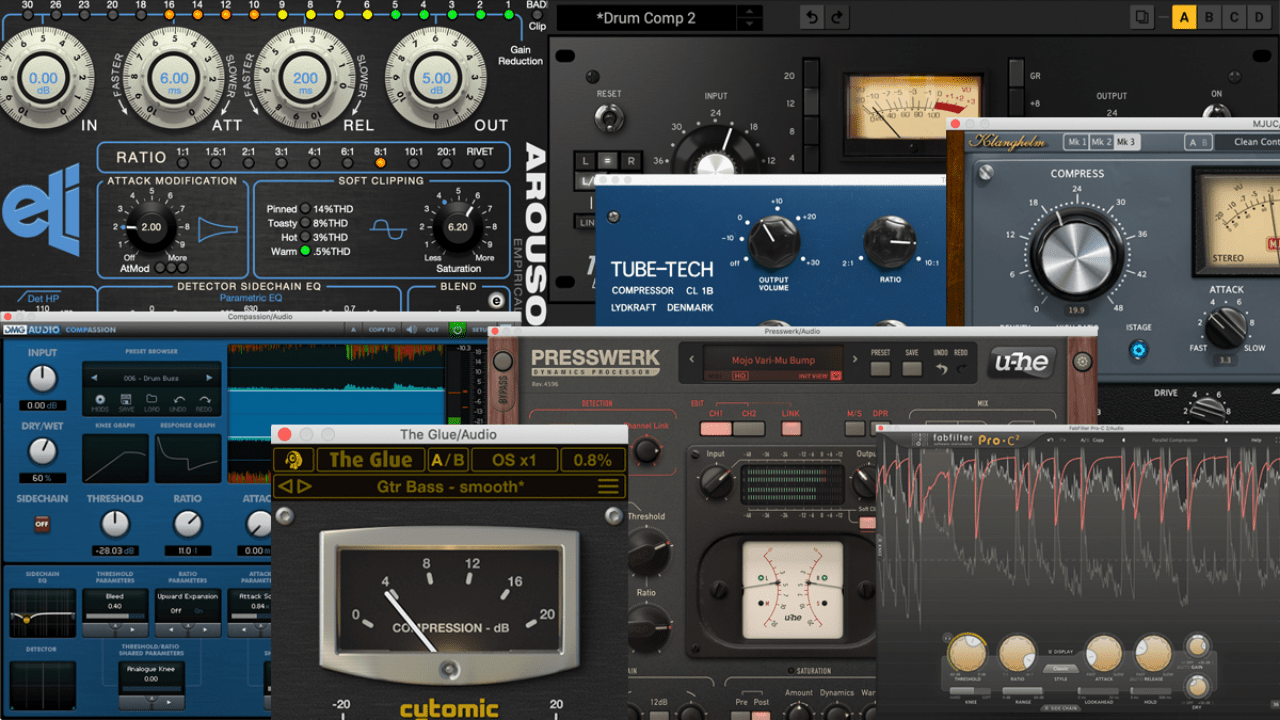
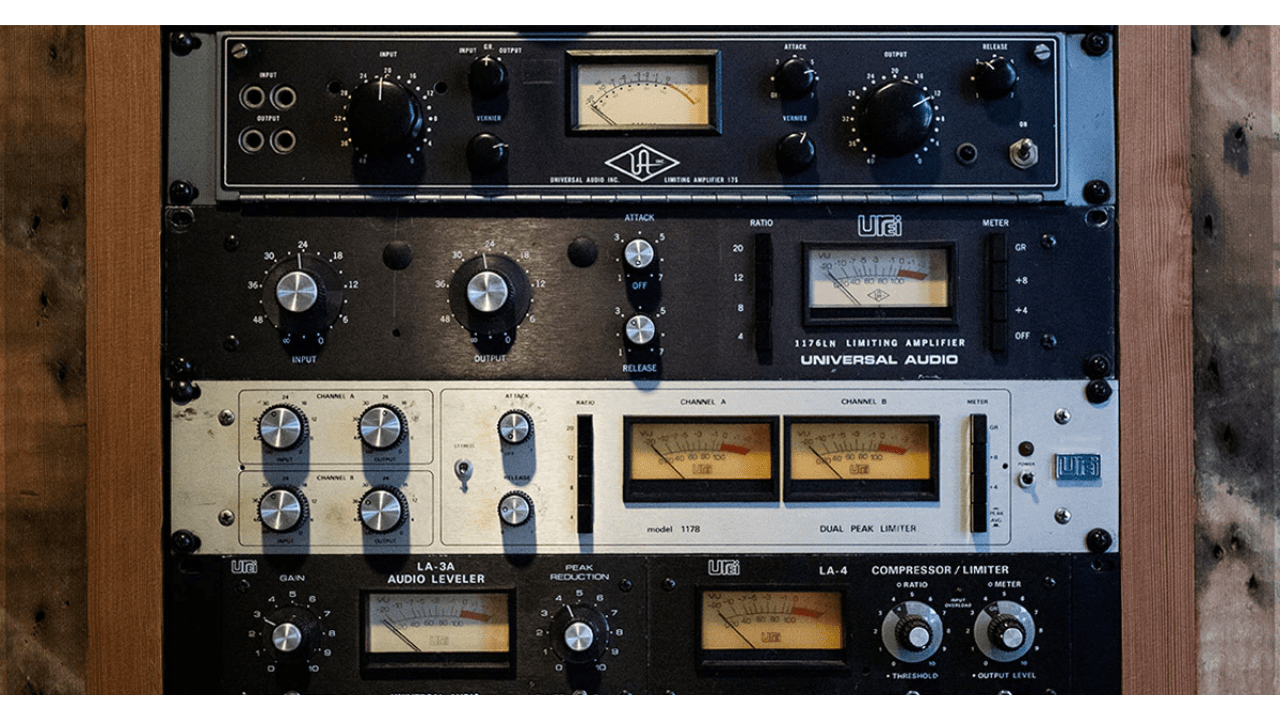
Compressors and limiters, either as plug-ins or as DSP devices in outdoor audio systems. Each is responsible for managing the dynamics of the sound. to manage the dynamics of the sound to be stable and more melodious by pressing or compressing the signal and keep the average loudness level similar However, both compressors and limiter They have different points. What will be the difference? You can follow in this article.
What are compressors and limiters?
compressor
Compressor is a tool that compresses the dynamics of an audio signal. To create a natural sound for that sound by Dynamic Range means the difference between the loudest sound levels. with the lowest volume in that audio signal The compressor will press down on the loudest volume. to get a similar average loudness level
limiter
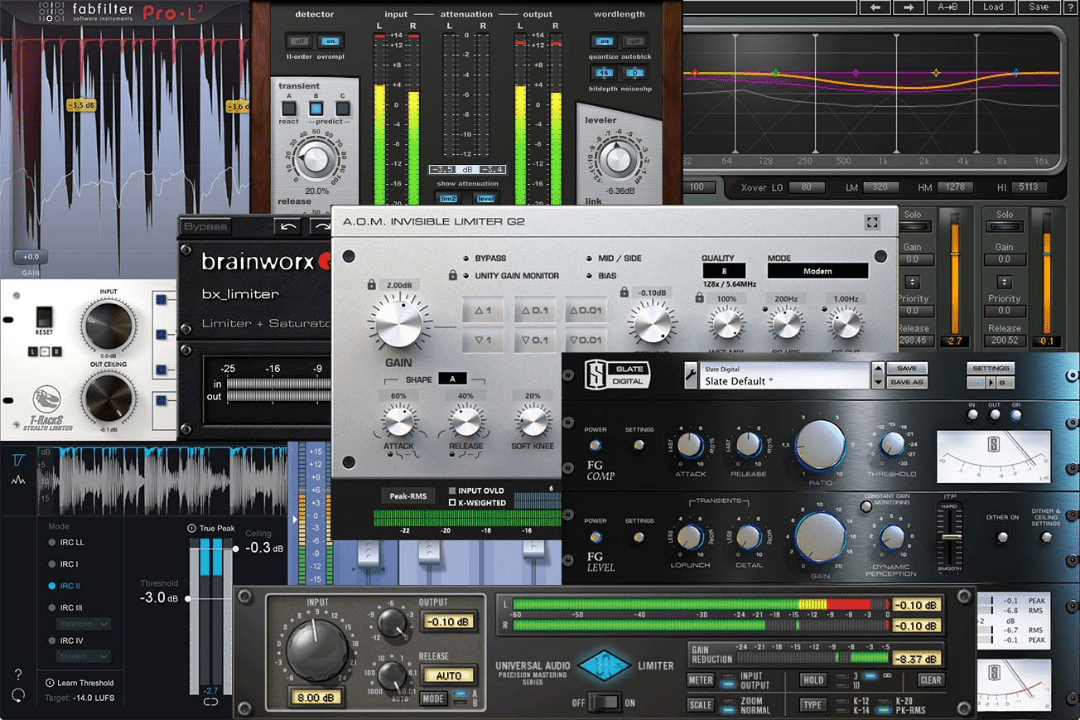
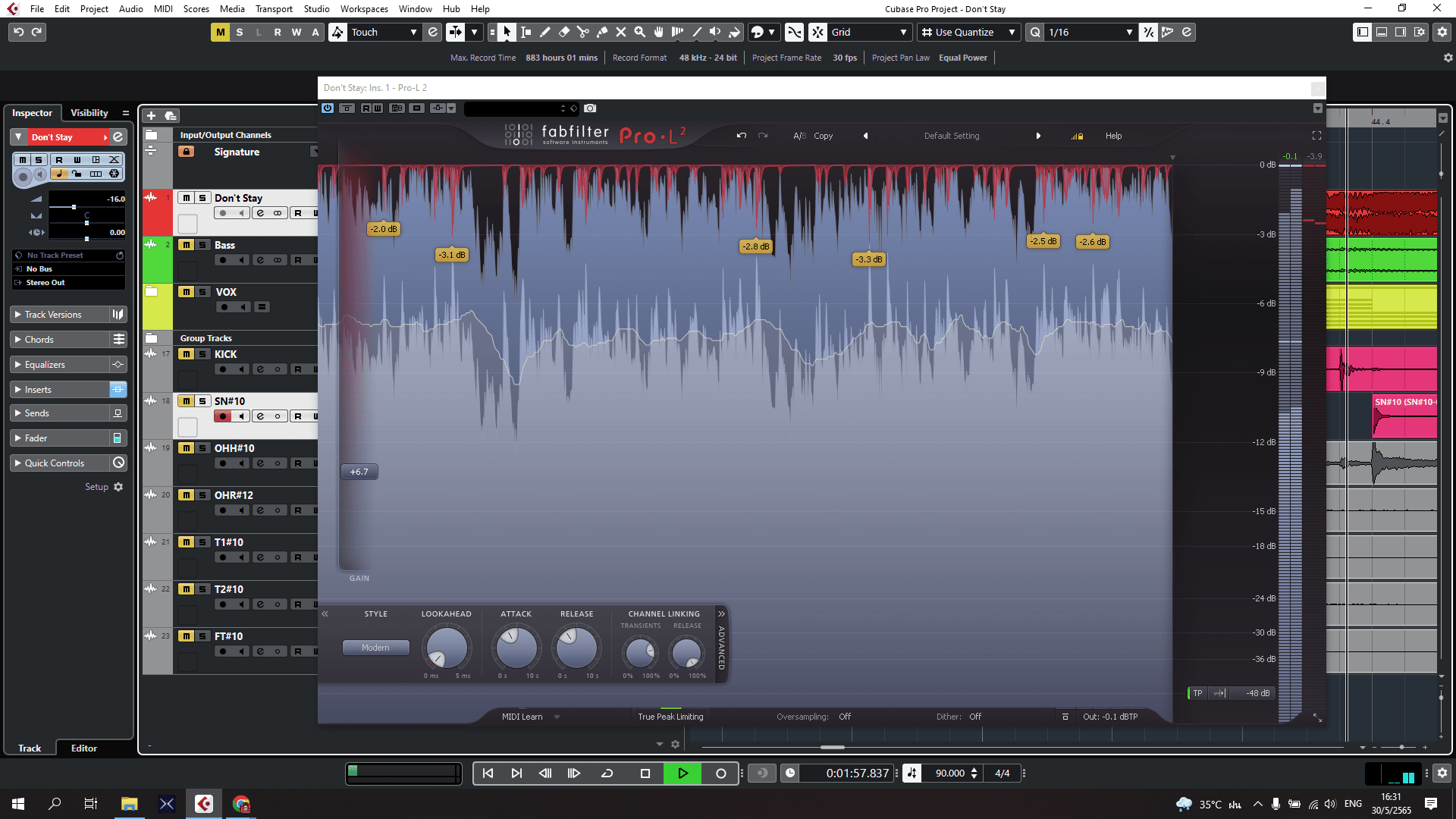
Limiter is a tool for audio signal processing. Related to Dynamic Range, similar to compressors. But the difference is that the limiter will block the amplitude of the audio signal. Not to be louder than the specified value To prevent peak or clip, no matter how much make-up gain we make, the limiter will block the amplitude of the sound from getting higher.
Adjusting the compressor
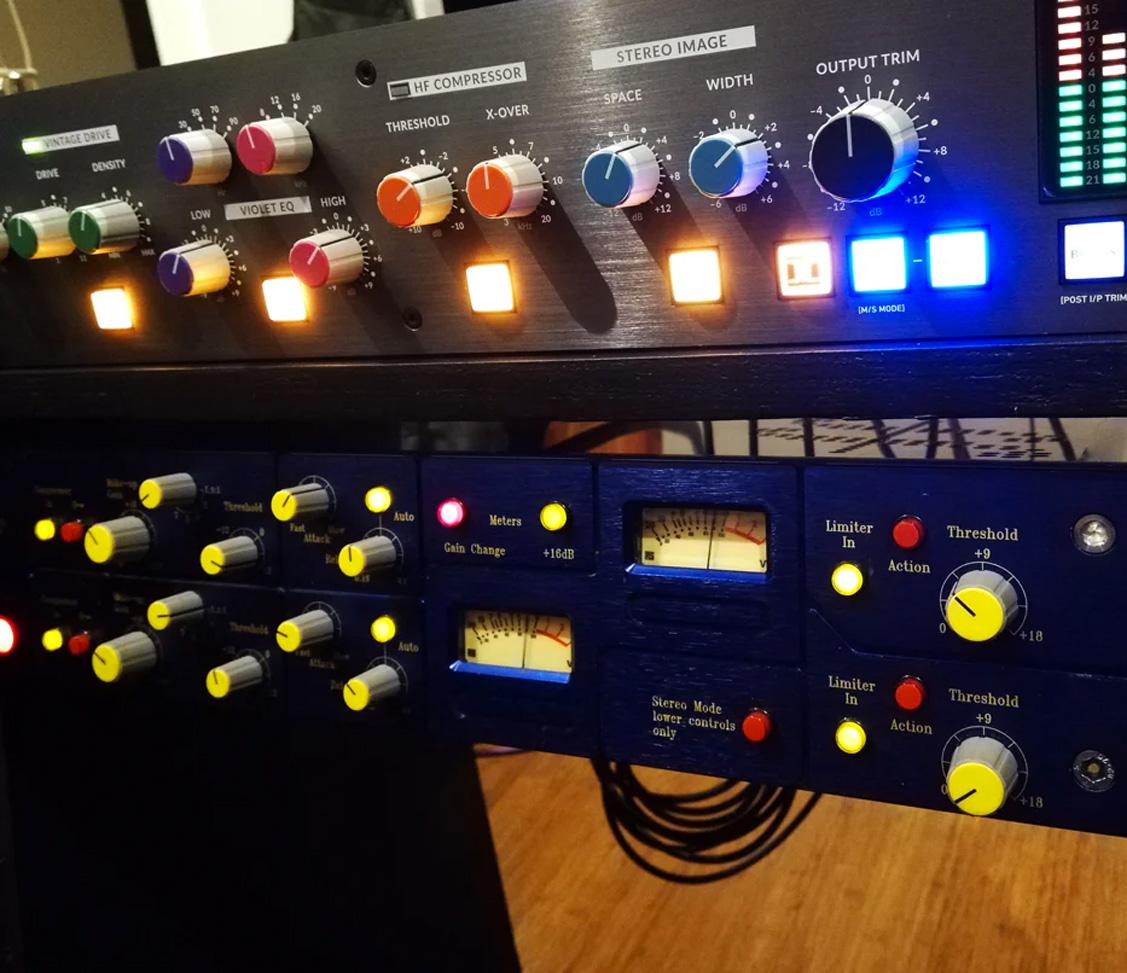
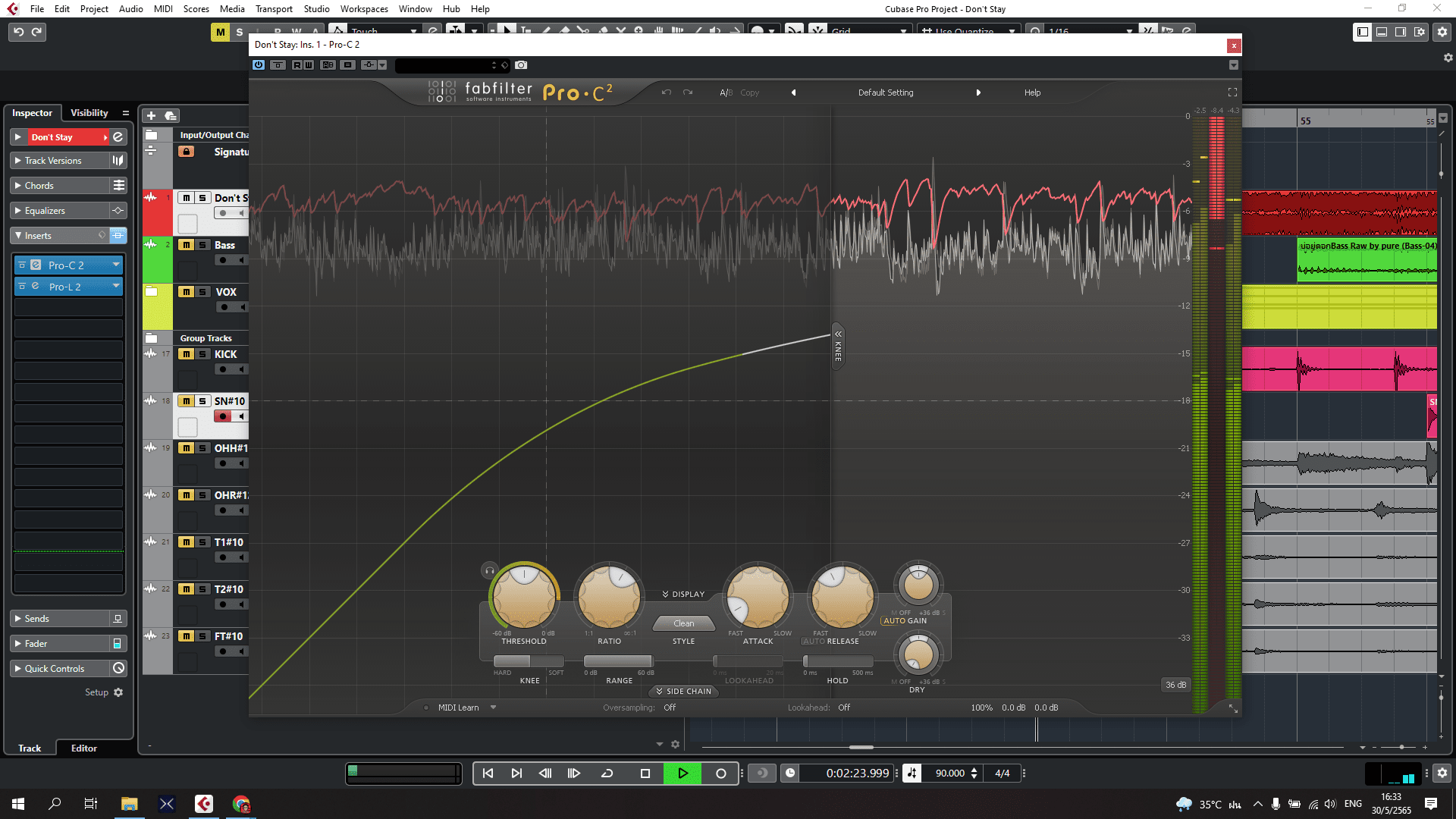
The compressor will have various knobs for setting values such as Threshold , Ratio , Knee , Attack Time , Release Time and others. The adjustment knobs have the following working principles:
Threshold
Threshold is to set the threshold level at which the compressor will start. For example, if we set the Threshold level at -10 dB, then when the signal level reaches or exceeds -10 dB, the Compressor starts to suppress the dynamic of the audio signal. by pressing only the point that is higher than the specified Threshold
Ratio
Ratio is the signal compression ratio, using dB as a reference measure for compression. For example, a ratio of 1:1 means that if there is 1 dB of input signal, 1 dB of output will be output. “No compression at all”, but if the Ratio is set at 2:1, that means If the input signal is 2 dB, it will only output 1 dB, etc. In actual use. Suppose the signal comes in at 16 dB and you set the ratio at 4:1, that means the compressor will compress the signal. Gives out only 4 dB only.
Knee
Knee is the definition of nature. To change the status of the audio signal from uncompressed signals to a compressed signal In many models of compressors, it can be adjusted in detail. While many models only have a choice between “Soft Knee” (gradual compression) and “Hard Knee” (strong compression).
Attack Time
Attack Time refers to the speed of time. that is used to fully compress the signal After the signal has reached the threshold of the specified Threshold, measured in ms (milliseconds).
Release Time
Release is the opposite of attack time, which means the time it takes for a compressed signal to change. Reverts the original signal that has not been compressed. Using the unit in ms as well, which compresses the signal per 1 time, how long or how short is it? It depends on the release time setting.
Output Gain (Make-up Gain)
Output Gain or Make-up Gain, depending on the manufacturer of each brand, but both words have the same meaning, that is, the part that serves to compensate for the signal level. that is lost from compression itself
limiter adjustment
The menu functions of the Limiter are somewhat similar to Compressor, except that the limiter does not have adjustments to Knee and Ratio. The limiter has a function menu for adjusting values. that is different from the compressor as follows:
Ceiling Output
Adjusting the Ceiling Output of the Limiter Quite similar to the compressor Threshold is that it sets the threshold level at which the limiter will start. or in other words, audio ceiling setting That does not want to cause a Peak or Clip, for example, if the Ceiling Output is set at -0.1 dB when the volume reaches the specified ceiling or Make-up Gain increases the maximum amplitude level of that audio signal. will be blocked not to exceed -0.1 dB
Loudness Metering
Loudness Metering will be in the form of a graph. for measuring the sound pressure level Normally, the unit of measurement is LUFS (Loudness Units Full Scale). For studio sound engineers, this unit of measurement is used to mastering music at the appropriate volume for different platforms. Limiters are also important. To prevent damage to the loudspeaker itself.
Summarize the difference between Compressor and Limiter.
in some compressors We may find that there is a built-in limiter to come in. But in general, what we see in most cases, the compressor and the limiter work separately from each other. Because the obvious difference between the two is that the compressor acts to “ press ” the dynamic of the loud sound. down to a similar average level limiter part Will serve to ” block ” the amplitude of the sound to avoid Peak or Clip for the safety of the speaker. whole compressor and the limiter itself does not have a duty to make the sound louder Because what really makes the dynamic of the signal louder is the “Make-up Gain”.
Cables and Connections in Audio | With so many different types of cables available. It is therefore not always easy to determine whether “Which type of cable is the best cable?” because there are other factors to consider as well, mainly for example cable length. And compatible devices, etc. Therefore, in this article. We’ll talk about “cables” and “connections” in the sound system. to increase understanding and use it to get the most efficiency When you’re ready.. Let’s follow together in this article.
Balanced & Unbalanced
Before we delve into the details. Of the different types of cables, there is another important issue that is the “ signal format ” of each type of cable. All of which are divided into 2 forms as follows:
Balanced cable
Balanced cables are designed to avoid the problem of external electrical interference, especially Inside consists of 3 signal wires: Ground (Shield), positive signal (Hot), and negative signal (Cold).
The working principle of the Balanced cable is that when transmitting a signal through a Balanced cable, it will cause noise or noise from outside to reverse phase. and a clearing occurred. until only the input signal remains which when the signal is sent to the destination The receiving device will reverse phase. The result is The signal sent after the phase reversal, the signal is twice as strong and clear, is described by the electrical equation as follows:
Unbalanced signal cable
Unbalanced signal wires have only one positive ( Hot) and one Ground (Shield) signal wire.
The working principle of the Unbalanced signal cable is not as complicated as Balanced, that is, the positive signal cable is a signal cable used to transmit signals. Without going through any phase reversals and there will be only a Ground cable that is a shield cable to prevent signal interference. The limitation of the Unbalanced cable is the length of the cable. If the cable is longer, the noise will increase as well.
In general, what we can see often, the cables that are used frequently in the home and in the consumer level are mostly unbalanced cables, including those used with musical instruments, for example, electric guitars and bass, etc. But when in a situation that must be used with professional audio work, Balanced cables therefore come into play a lot, such as being used as a signal cable. for the quality of the sound signal that is good
cable type
Now that we understand the difference between balanced and unbalanced cables, let’s move on. That there are different types of cables in the sound system.
TS
TS cables, shortened to Tip/Sleeve, often referred to as “guitar strings” or “instrument strings”, are a type of unbalanced cable with a mono (1 channel) audio connection that should not be used at high wattage. Very long, should be as short as possible. Because as I mentioned in the previous section that length of wire If the longer the cable, the more Noise will increase as well, with the TS cable having a 1/4″ (6.3mm) jack.
TRS
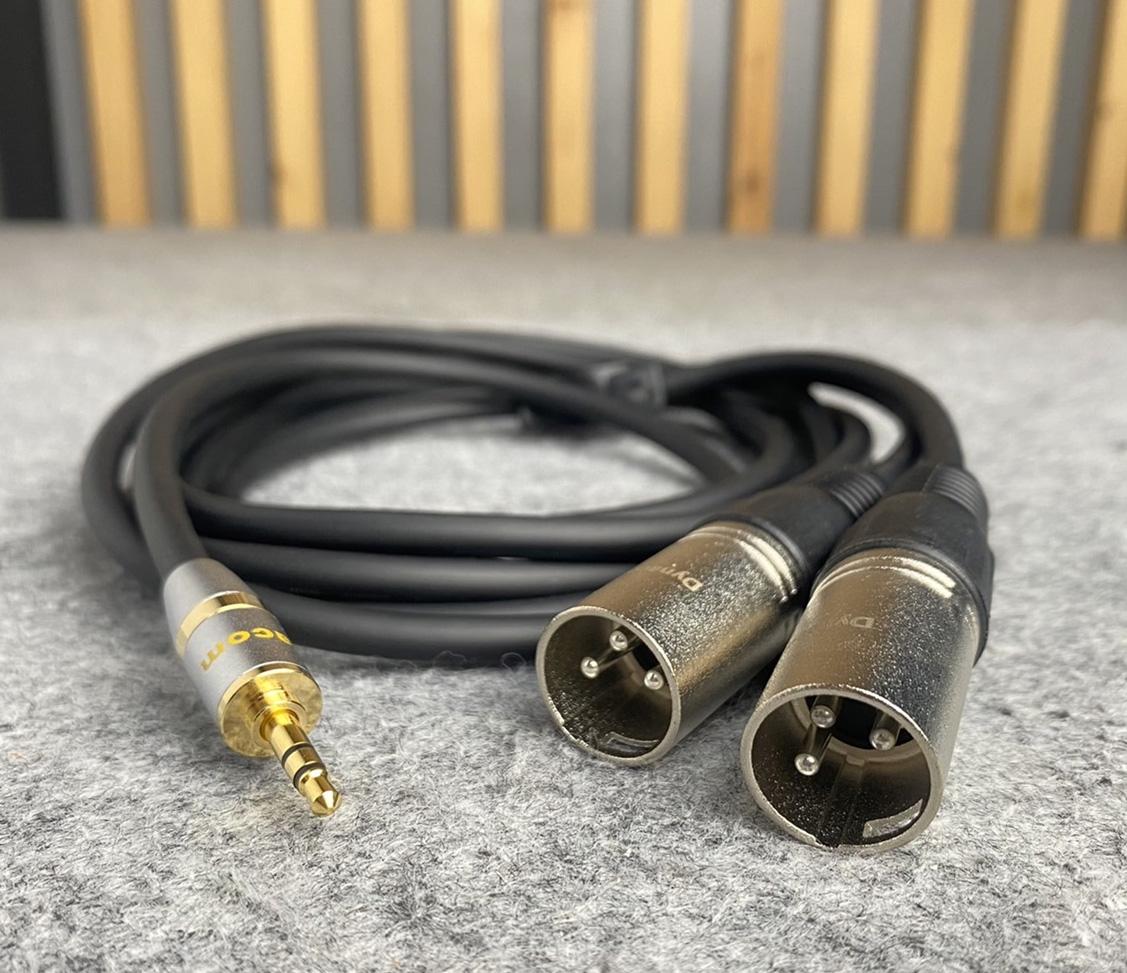
Although visually, TRS cables may look similar to TS cables, the difference is noticeable. Because there are 2 black marks on the jack head TRS cable, or shortened to Tip / Ring / Sleeve, is a Balanced signal cable with a positive, negative and ground signal cable as a single TRS cable component. It can also be used to connect Mono (1 channel) or Stereo (2 channels) signals that we often see in professional audio systems. There is also a 3.5mm size for the Headphone cable, but it will be an Unbalanced signal because TRS (3.5mm) will consist of a 2-pole positive cable and a ground cable only. But it can still transmit stereo.
XLR
XLR cable Balanced cable One of the most unique types of cable. and the most durable That means you can use very long XLR cables. without fear of loss of audio signal quality or being inserted by noise as well And we often see the use of XLR cables in many types of audio equipment. Especially microphones, speakers, mixers and various PA audio equipment, etc. The reason these audio equipment Use an XLR cable connection, that’s because to guarantee a clear audio signal and stable Whether using a cable length of only 6 feet or longer than 50 feet.
Speakon
Speakon cable is an unbalanced signal cable that we rarely see in homes. or consumer level audio, but often used as a connection cable between power amplifier with speakers in the professional audio industry Because Speakon cables carry unbalanced signals, they are an alternative to TS cables (only for audio equipment with Speakon inputs). high current and can be locked to the Input channel
Banana
Banana cables are a type of unbalanced cable that originated in Europe. It is commonly used by home audio. Connect between the power amplifier and the speakers, especially home theater speakers. Although it looks very similar to an RCA cable on the outside, banana jack cables have a markedly different construction. And it’s designed to make the connection neat. reduce clutter and safer
RCA
RCA cables are another type of unbalanced cable. It’s a common component in home A/V systems, and can also be found in DJ controllers. Because RCA cables are unbalanced, it’s not recommended to use a cable that’s too long. too much
S/PDIF
S/PDIF, short for Sony/Phillips Digital Interface, is a digital audio connection. (Within a distance of not more than 10 meters) by sending signals of S / PDIF, there are 2 types together, that is, Coaxial (RCA) in the form of electrical signals through the cable and Optical (Toslink) that transmits the signal through Optical fiber, which S/PDIF is often found in home A/V audio systems from general consumer to Hi-Fi levels such as TVs, DACs, or even in many Audio Interface models as well.
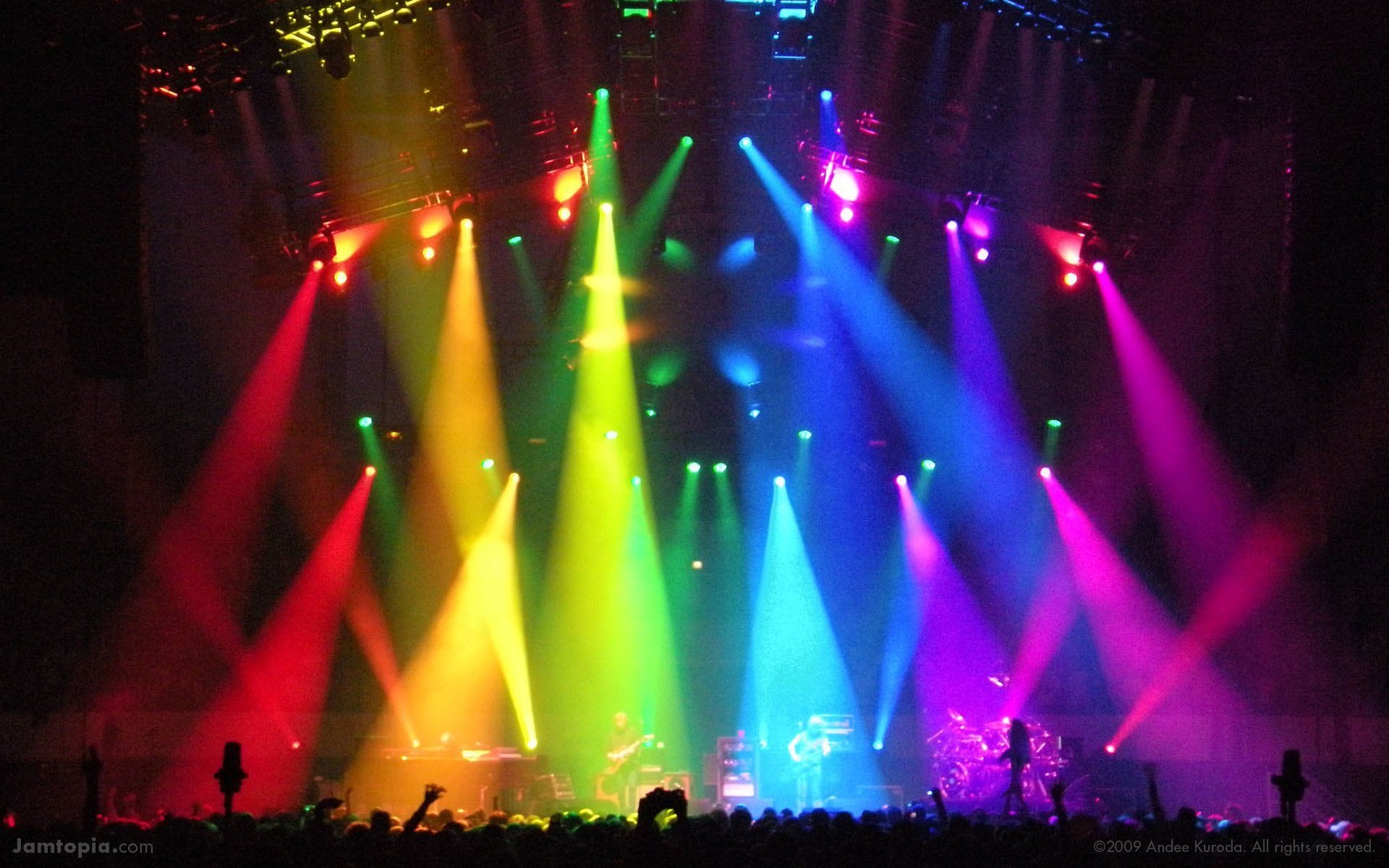
Stage Lighting (Stage Lighting) | Like sound consisting of frequencies that we can perceive by the ear While “Light” is only a high-frequency wavelength. that we can interpret and perceived by the eyes The light that humans can perceive is part of the electromagnetic spectrum. That is in the range of wavelengths from 400 to 700 nm is called “visible light” (Visible Light). Stage lighting, we can see that in the sound industry. Various concerts, in addition to a good sound system, good lighting and color systems. It is also an indispensable thing. Stage lighting or Stage Lighting does not only have the function of brightening the stage. But it is also a creative function. to convey the mood to the performance in terms of art as well So in this article.. Let’s talk about Things to know!! About “Stage Lighting” (Stage Lighting) to understand the purpose of lighting equipment. and help increase the efficiency of performing on stage
Purpose of stage lighting Not limited to one purpose only, mainly the purposes of stage lights are as follows.
shine on stage
The most basic purpose for lighting is to illuminate the actors, sets, and props. so that viewers can see everything that they clearly want to see on stage If the lighting is insufficient, it may cause performance. And the quality of the production can be compromised. In addition, lighting and color are also important for those performing on stage in terms of safety. in order to reduce the chance of causing an accident on stage Be it actors, dancers and musicians.
focus on different areas
Lighting can also help set the direction for the audience that Where should the focus be on the stage, for example if the guitarist is performing a solo at the front of the stage? or at the time when the ceremonies are giving lectures Most areas of the stage may be dark. with only a few spotlights focused on that location. To direct the audience’s attention to a specific area of those in the foreground.
creating atmosphere
Lighting can also help you create a desirable look to the atmosphere, for example, creating a optical illusion. Using moving lights to make it look like the sun is rising or darkening the stage when a performer presses a light switch, for example.
convey emotions to the performance
Most importantly.. Lighting also has a great effect on the mood as well. The principle is to match the light with the mood of the content. or situation on stage to evoke the right emotions in the audience This could mean softer lighting. and warm for happy scenes in the drama For example, cool colors are often associated with sadness, and warm colors are associated with intense feelings.
Types of stage lights
Stage lights are commonly used as stage elements. There are many types. Each of which is designed for a specific purpose. Therefore, on any stage, there will not be only one type of light. In this topic, I have compiled the types of stage lights that are commonly found as follows.
Ellipsoidal
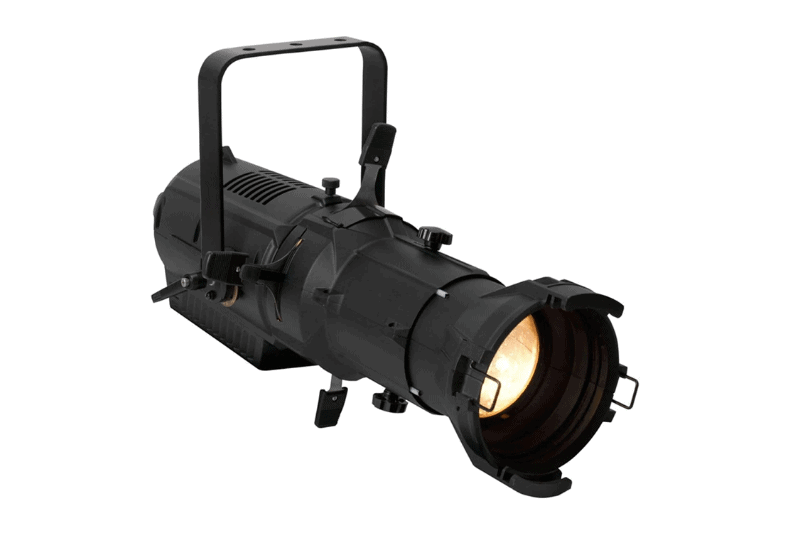
Ellipsoidal Stage Lights or “Reflector Spotlights” provide a concentrated, clear beam of light. They are commonly used as front stage lighting. It is a light that can adjust the focus of the light to be soft. or to be more sharp It can also adjust the shape of the light. To prevent light from passing through to the area that still needs to be dark. It can also be built with color.
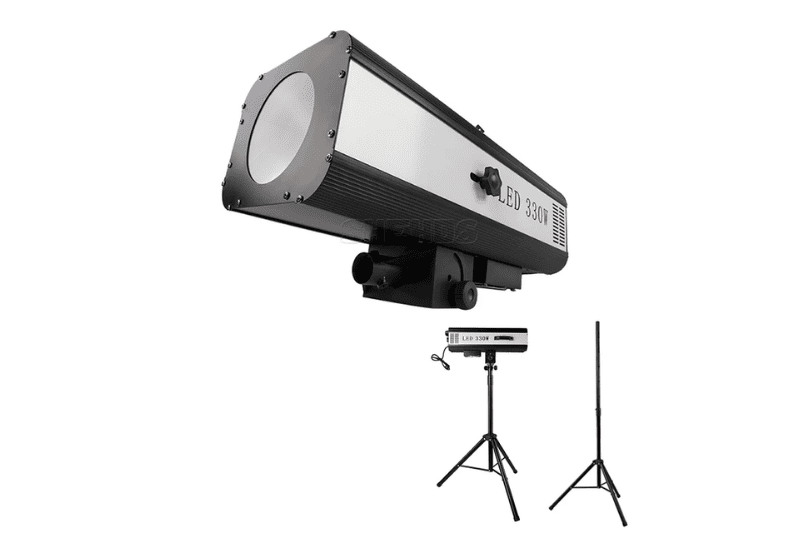
Followspot
Followspot is a type of spotlight. Serves as the focus for the actors. or musicians moving across different areas of the stage. These types of lights need to be responsive. to those performing at the front of the stage in real time, so Followspot lights are manually controlled lights. It can also be resized. light intensity level And easily adjust the color with the built-in panel
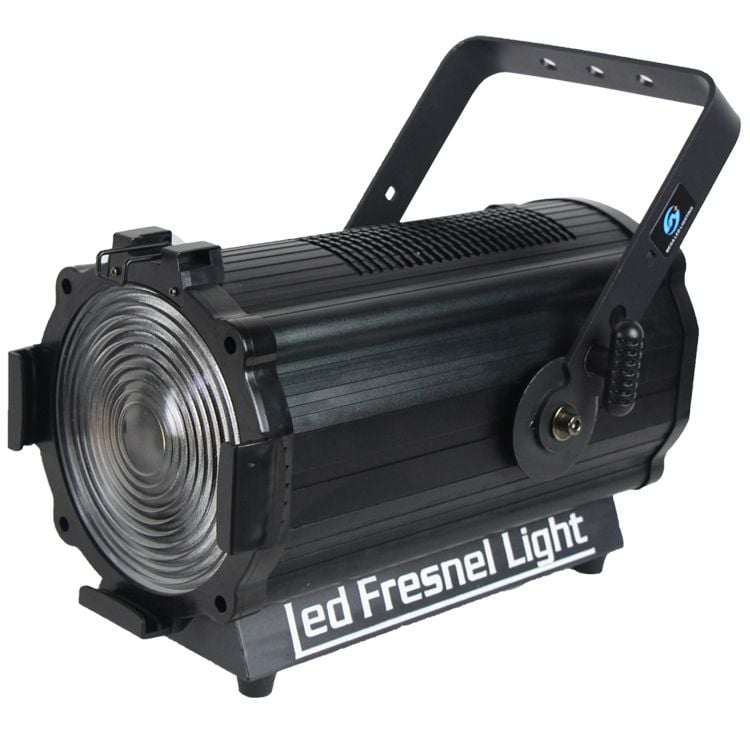
Fresnel
Fresnel, also known as “wash lights,” are lights named after their inventor, Augustin Fresnel. and the light will be brightest at the center of the ring But there will be fade at the edges. It is a type of light that provides focusing spot light. and adjustable beam
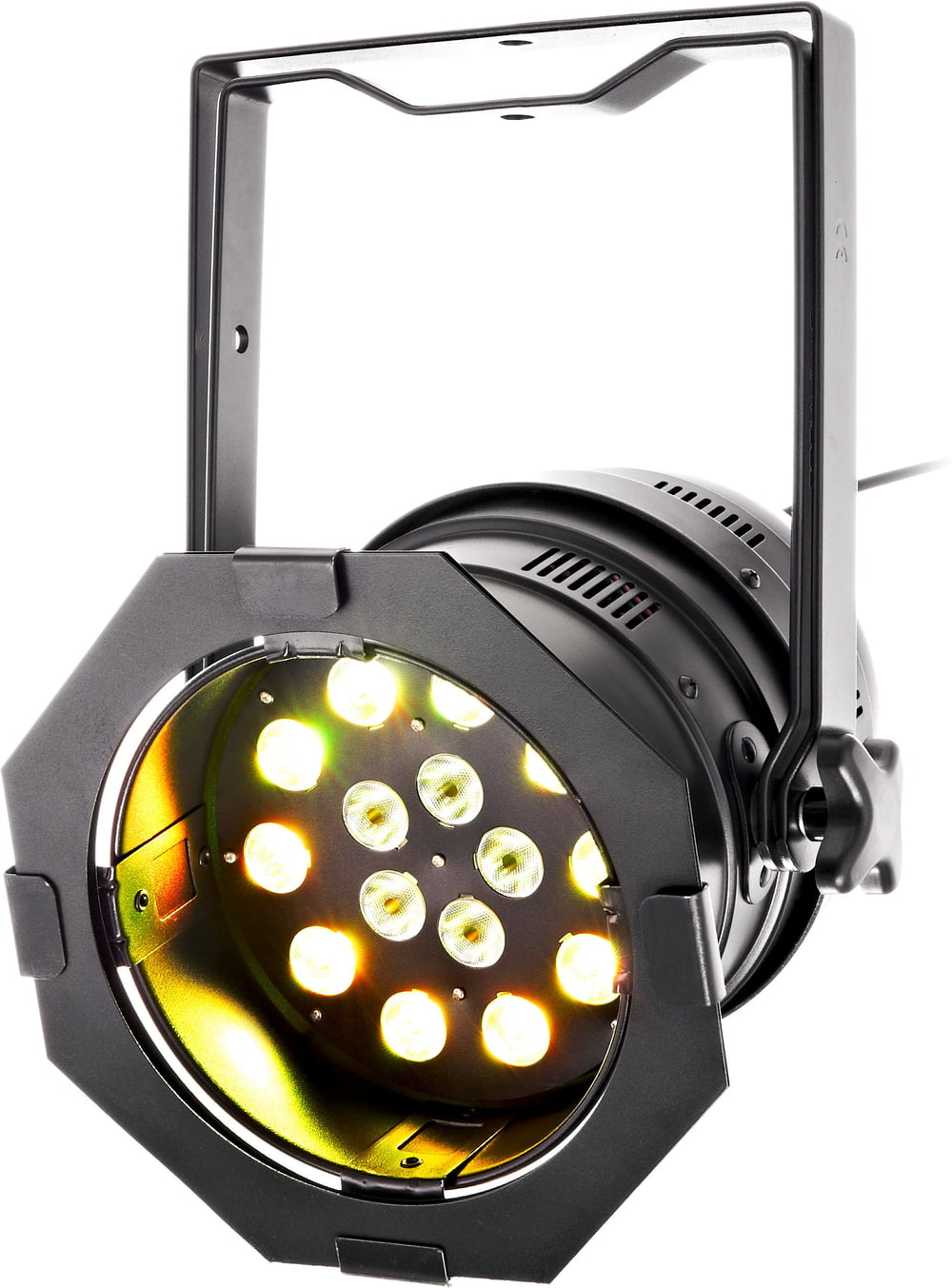
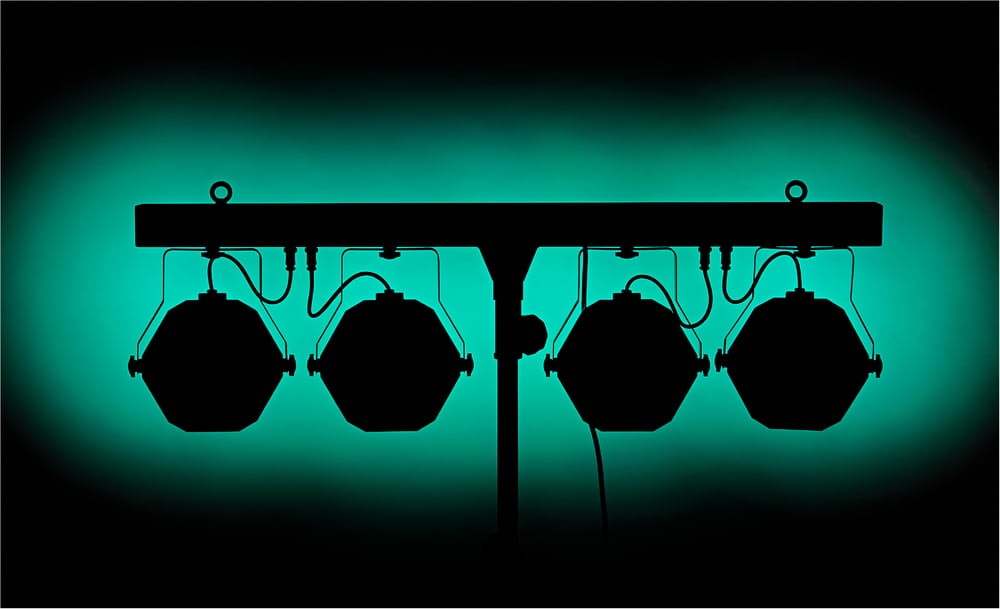
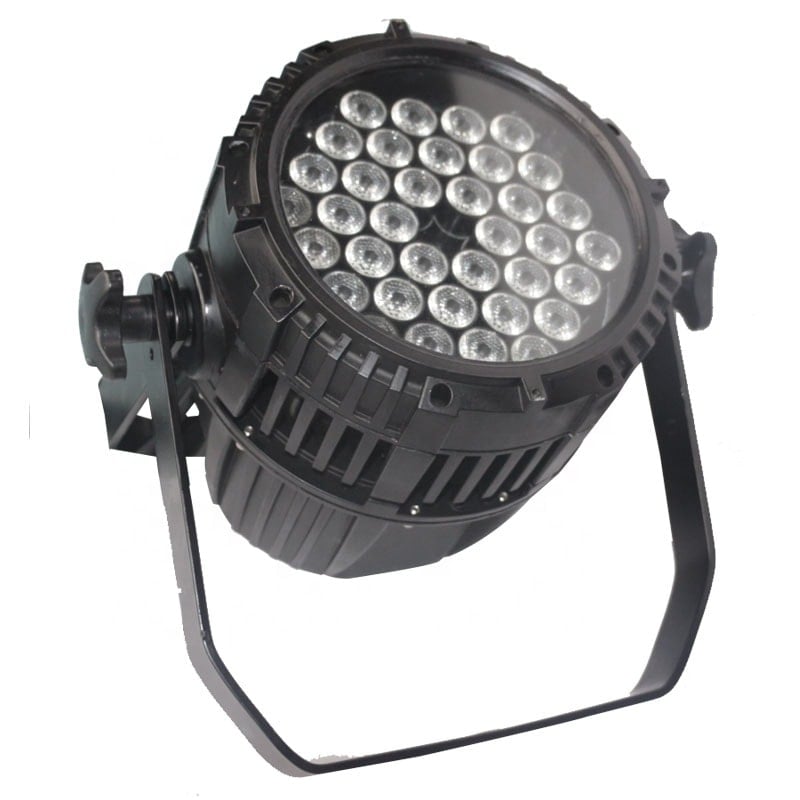
Par
PAR, short for “Parabolic Aluminized Reflector,” is the main component in stage lighting. PAR lights are beam lamps sealed in cylindrical metal. These lights are similar to car headlights and have a simple design. You can use PAR lights to create a horizontal beam of light. or vertical As a standard, gels can often be used. or color filters to create colors for the lights but cannot change the shape of the beam
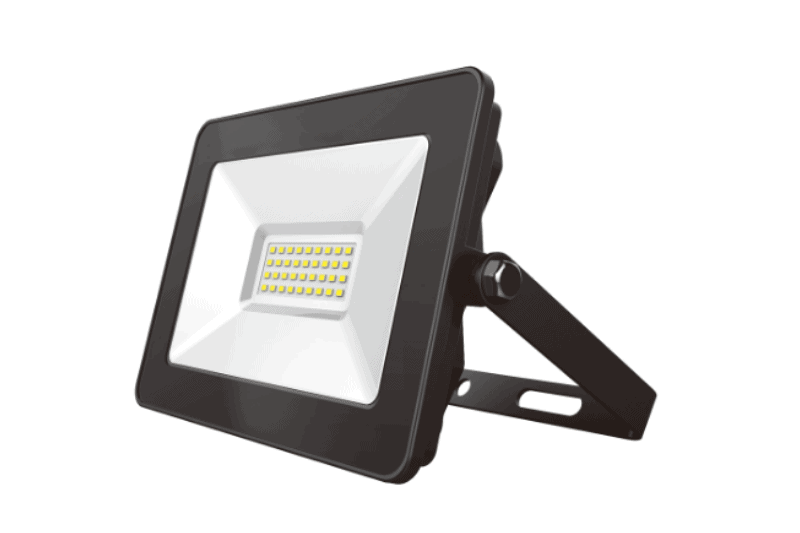
Floodlight
It is a lamp that uses LED chips to illuminate. Provides a wider light distribution angle than conventional lamps, which many people may confuse with spotlights. with similar faces, so many people misunderstand The difference between a floodlight and a spotlight is that a spotlight produces a specific light. The light distribution angle is not as wide as the Floodlight, so the beam of the spotlight It will be a direct light to focus on a certain point.
Cyclorama
Cyclorama stage lights, or “Cyc” for short, are most often found on stages for theatrical performances. It is a light for illuminating the backdrop or backdrop. This type of lighting will provide the characteristics of uniform light distribution. and has a wide light distribution angle, which this type of Lighting can be placed on the floor or hang it near the background in order to effectively cover the background
Strip Light
Strip lights are a little similar to Cyc lights. where it consists of many lamps They are arranged in horizontal rows, but strip lights have more light coverage than Cyc lights. They are what many lighting designers use to add massive color coverage to the stage.
stage lighting position
One basic principle of stage lighting that must be understood is “Lighting position”, which is the position of lighting on the stage that the Lighting Designer takes into account in designing. are as follows
Front Light
Front Light It is the main key position for stage lighting. because it is a position that gives light to the performer Or those who describe on stage, whether singers, musicians, actors and hosts, etc., allowing the audience to see and clearly understand the elements and the content of the performance on stage
Back Light
The position of the back light is the position that makes the stage And the elements on the stage have more dimensions, with the back light at the back of the stage or behind the performer The back light can be positioned at various points with the PAR lights vertically because the PAR lights can be installed well in specific back light positions and can change the color. and the intensity of the light
Down Light
Another way to add dimensions to the stage. is to use downlights which is a position placed on the stage floor and shine a light above the stage ceiling which the downlight may have different intensity of light
Side/High Side Light
Side Light is a light positioned on the side of the stage. To illuminate from one side to performers, musicians and hosts, the High Side section is also positioned to the side. only to be placed in a higher position It is a position that shines a light on the head. and the shoulders of those on stage The placement of lights in these positions It is important for the audience to clearly see the faces of those on stage.
Techniques for using light colors
about the color of the light It is the part that has a great influence on creating the atmosphere of the stage. And convey different emotions to the audience by the main techniques in using the color of the light are as follows
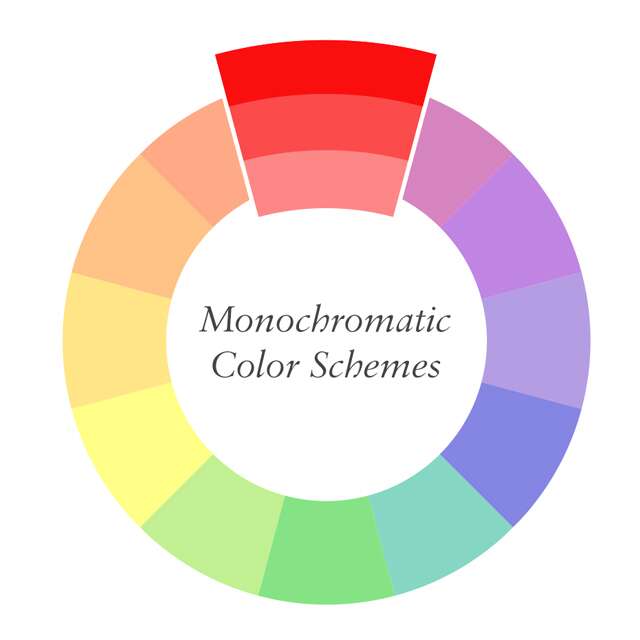
Monochromatic
It is a technique for choosing different colors that are in the same shade according to the Color Wheel, also known as “monochrome color”, which is a good option if you want to organize the lighting to be simple. or focus on one color
Complementary
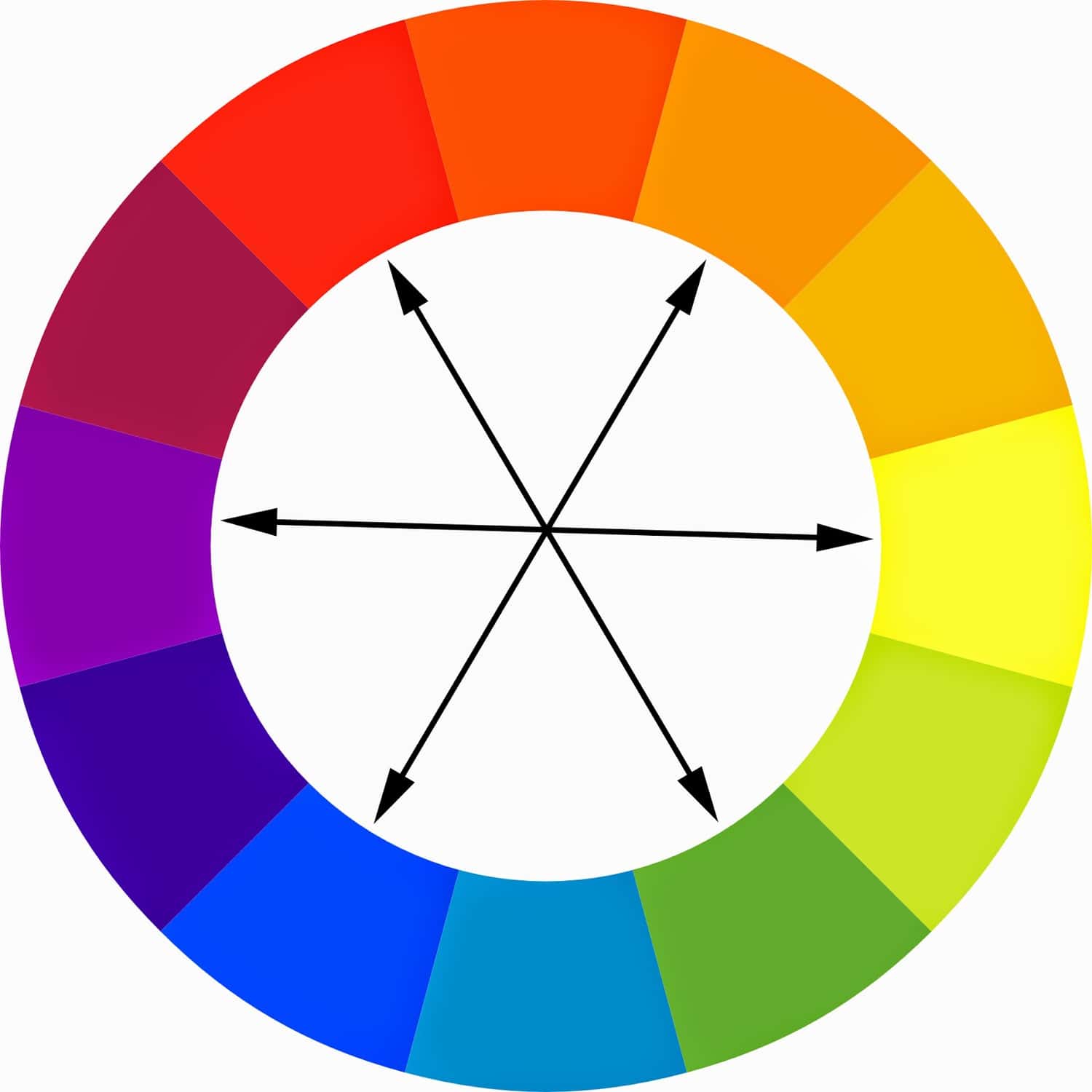
This technique is a technique that uses opposite colors according to the Color Wheel or severely contrasting colors. to reduce the freshness of each color May be used as a contrasting method, such as using the first color as the main color. It is a color that has more space. And use the second color (opposite color) which takes up less color space to cut. Or it can be used as a way to combine the two colors together, for example, red and green, purple and yellow, blue and orange, etc.
Triads
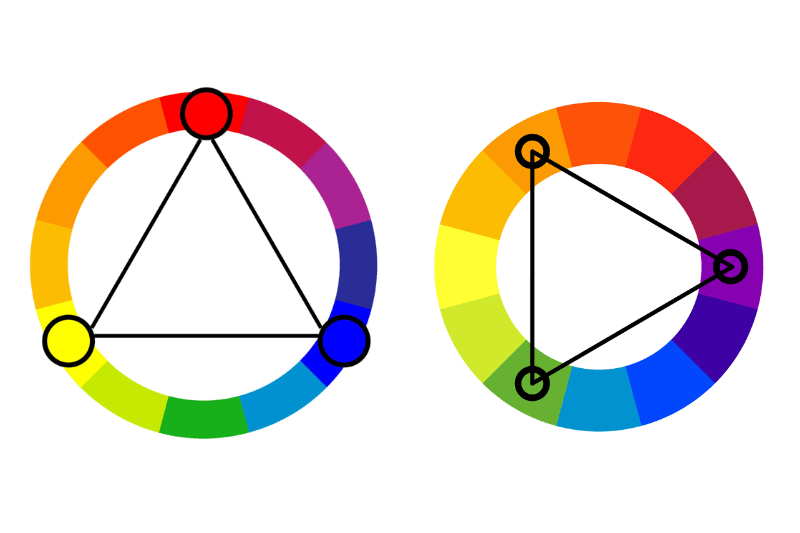
The Triads Color technique is the use of 3 pairs of colors that are opposite color pairs along the Color Wheel that is separated to the left. and right in a triangular shape, for example, red/yellow/blue or green/orange/purple, etc., to add variety to the tone of the stage itself.
Adjacent (Analogue)
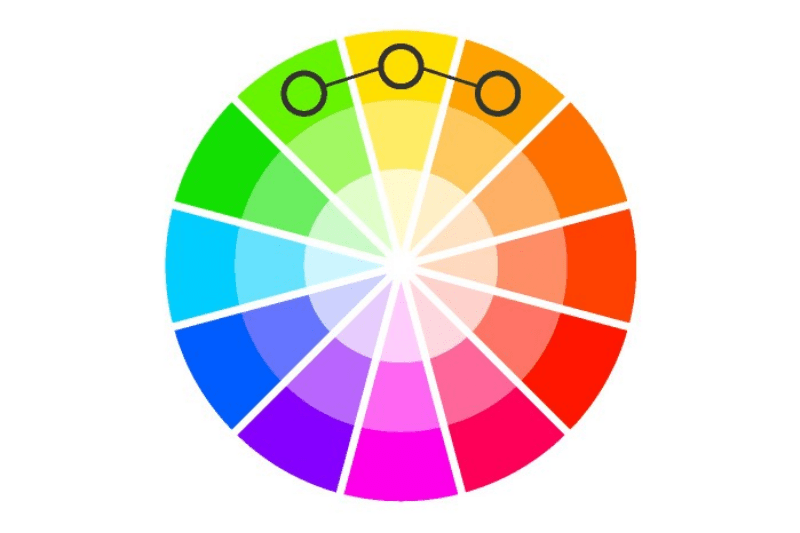
It is a technique that uses colors that are adjacent to each other on the left and right according to the Color Wheel to be similar colors. to create harmony And reduce color conflicts, for example, red/orange red/orange or yellow-orange/yellow/green-yellow etc.
Cool/Warm
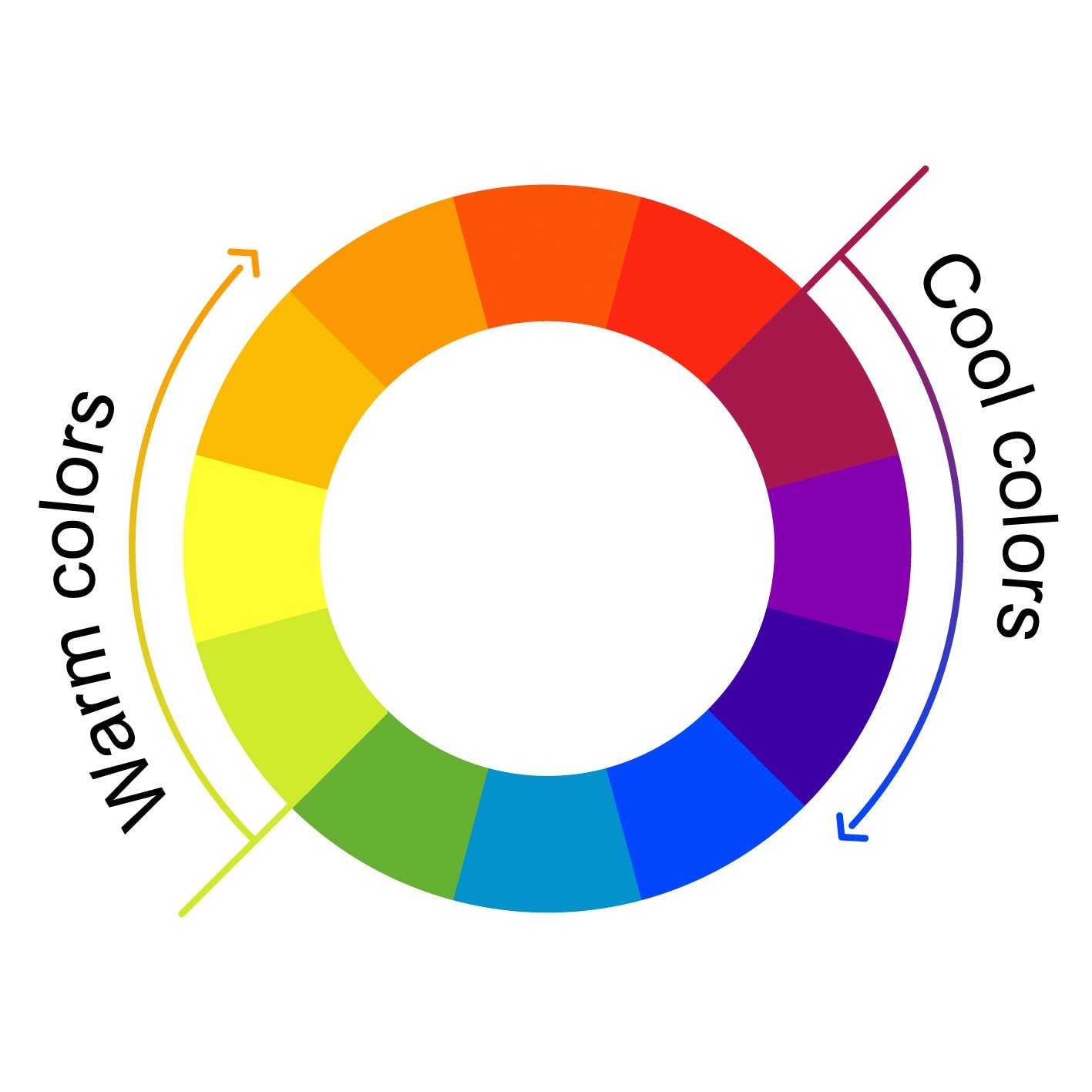
It is a technique related to color temperature. And is a technique that can create an atmosphere as well Cool Color or cold tones, consisting of 3 main shades, that is, green, blue and purple, are tones that give a feeling of politeness, peace, mystery, coolness. Relationship with feelings of depression and sadness in terms of Warm Color or warm tone. Some people call it warm colors, consisting of 3 main shades as well, which are red, orange and yellow. These colors are exciting, energetic, warm, fun and attract attention.
More tips
The color of the lighting on stage is something that can convey and evoke some emotions or affect the overall feeling of the scene and show But that’s not all. because in addition The color scheme is also symbolic. connection to the main theme of the show and the stage as well
vocabulary ! What you should know about lighting
Wash
Wash, which means “wash” in Thai, is a term used to refer to a wide beam of light. It covers the entire stage regularly.
Intensity
Intensity or “intensity” is a term lighting designers use to describe the level of brightness of stage lighting.
Diffusion
Diffusion in Thai means “dispersion” means that light reflects or affecting the medium with uneven surfaces and diffuse reflection direction or conducting light without depending on the scene make reflected objects bright